
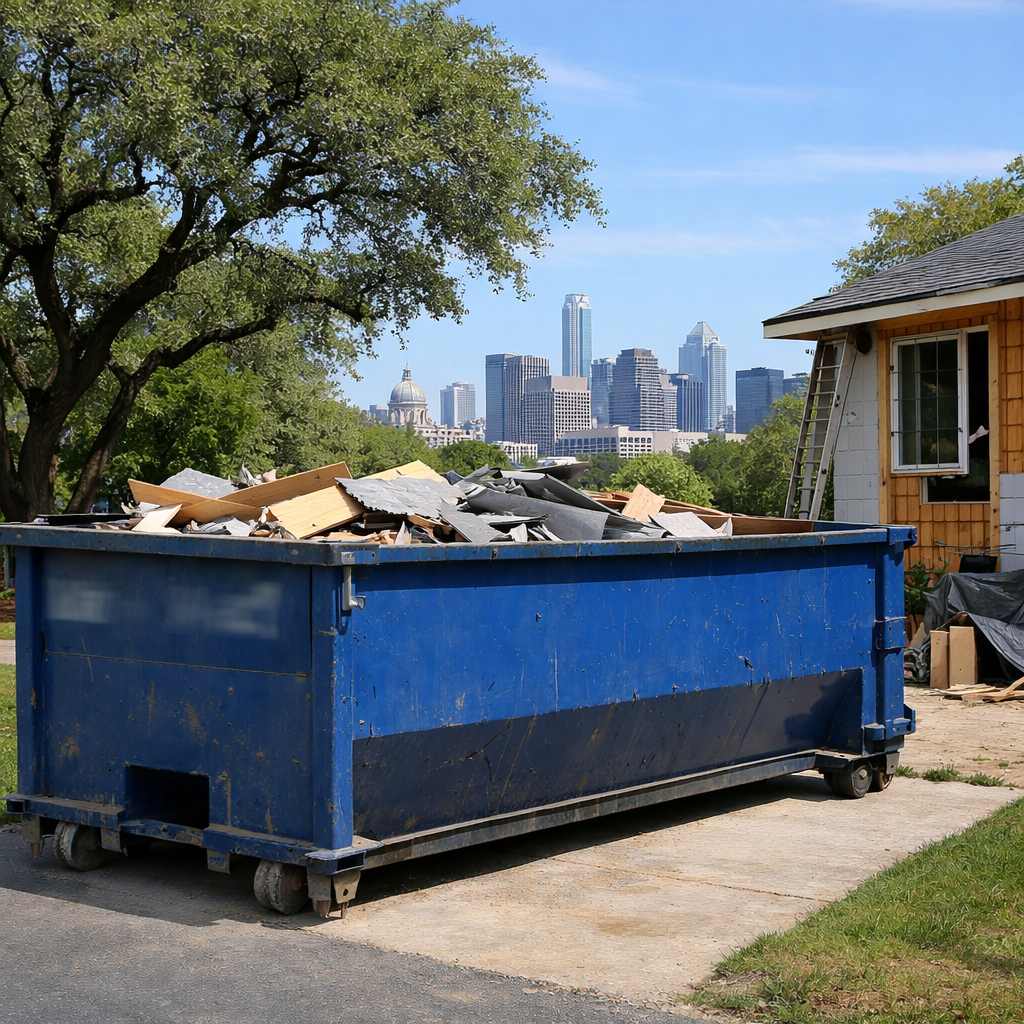
Where to Rent Residential Construction Dumpsters in Austin in 2026
Planning a home remodel or addition in Austin and need a construction dumpster fast? Here’s where to rent, what size to pick, and how to avoid permit and price pitfalls in 2026’s busy market. Austin’s Sunbelt location keeps residential dumpster demand steady year-round, so early booking matters. Below, Garbage Advice breaks down local specialists, national providers, and marketplaces—plus sizing, pricing, placement, and sustainability tips—to help you lock in the right roll-off at the right price without surprises.
Quick start guide to renting in Austin
Here’s Garbage Advice’s 60‑second plan to secure a residential construction dumpster rental in Austin in 2026:
- Define your debris type (light demo, mixed C&D, roofing, concrete).
- Pick a size (10–40 yards) based on project scope.
- Confirm accepted materials and weight limits in writing.
- Schedule delivery/placement and protect the driveway.
- Plan swap-outs and final pickup dates before work starts.
Sunbelt markets have persistent roll-off shortages and steady demand due to mild winters, so book early and plan swaps in advance according to regional 2026 trends noted in regional 2026 dumpster trends. “Austin dumpster rental costs typically range from $415–$1,265 depending on size and debris type,” per the Austin service area overview.
Roll-off dumpster: A wheeled, open-top container delivered by a specialized truck for temporary debris hauling from construction and remodels. Sizes typically run 10–40 cubic yards and are billed by size, weight, and rental days. It’s the most efficient way to remove bulk renovation debris from a home project.
Best places to look for residential construction dumpsters
Three routes work well for homeowners. Garbage Advice generally recommends starting with a local specialist, then cross-checking availability and price through a marketplace if timing is tight.
- Local specialists: Fast delivery, neighborhood placement savvy, and right‑of‑way know‑how for Austin streets and driveways, supported by local placement guidance from Austin site planning advice.
- National providers: Scalable coverage across 10–40 yard sizes with predictable service windows and documentation—helpful for multi-phase projects, as highlighted in this note on scalable Austin coverage.
- Marketplaces: Quick price/size comparisons and easy booking. In Austin, ranges often fall near $415–$1,265 referenced in the Austin service area overview.
A quick decision flow:
- Project size: Single room vs. whole-home demo.
- Timeline certainty: Fixed dates or flexible?
- Volume/weight: Heavy roofing or concrete needs higher allowances.
- Logistics: Multiple swaps? Need diversion receipts for sustainability goals?
Local specialists in Austin
For most residential projects, local providers deliver the best blend of responsiveness, placement advice, and clear pricing. Strengths typically include transparent pricing, included rental days, and both residential and commercial service, as shown by local examples like Grime Time’s Austin overview. Providers such as Grime Time and Atex commonly advise on driveway protection, right‑of‑way rules, and optimal placement informed by Austin placement practices. Garbage Advice typically points homeowners here when placement or permitting questions are likely.
How to vet a local provider:
- Verify accepted materials and weight limits upfront (regional rules vary by material streams).
- Ask about driveway protection (wood pads, placement on level surfaces).
- Confirm pickup/swap windows in writing, including weekend availability.
National providers with Austin coverage
Choose a national provider when you need multiple dumpsters, guaranteed swap capacity, or formal SLAs during a larger renovation. Expanded Austin services typically offer 10–40 yard sizes with coordinated delivery, pickup, and support, and some highlight alignment with Zero Waste goals and diversion documentation, consistent with the scalable Austin coverage announcement. For complex, multi‑phase jobs, Garbage Advice suggests getting SLAs and swap caps in writing.
Questions to ask:
- Are delivery/pickup windows guaranteed in peak months?
- How many swaps can be secured per week?
- Can you provide digital tickets with tonnage and diversion details?
Marketplaces and aggregators for price checks
Marketplaces help first-time renters compare size availability, Austin dumpster prices, and add-on fees quickly. Common sizes include 10, 15, 20, 30, and 40 yards, with typical price bands aligning to the Austin range noted earlier. Use marketplace quotes to benchmark, then confirm terms against Garbage Advice’s checklist below.
Comparison snapshot
| Size (yd³) | Typical Use | Weight Limit (typical) | Base Price Range | Accepted Materials (high-level) | Add-on Fees to Check |
|---|---|---|---|---|---|
| 10 | Small cleanouts, light demo | 1–3 tons | $415–$550 | Wood, drywall, light C&D | Overweight per ton, extra days |
| 15 | Mid cleanouts, small kitchen/bath | 2–4 tons | $500–$700 | Mixed C&D, roofing (light) | Restricted items, relocation |
| 20 | Kitchens, roofing jobs | 3–5 tons | $600–$850 | Mixed C&D, shingles | Overages, Saturday service |
| 30 | Larger remodels | 4–6 tons | $800–$1,050 | Bulk demo debris | Fuel/environmental fees |
| 40 | Whole-home/demo | 5–7 tons | $950–$1,265 | Major demolition | Standby/swap fees |
Always confirm landfill/disposal fees, fuel or environmental charges, and overage rates before booking.
Choose the right dumpster size for your project
General guidance:
- 10–20 yard: Single-room remodels and most residential cleanouts.
- 30–40 yard: Whole-home remodels and major demolition debris common in larger projects.
Cubic yard: A volume measure equal to a cube 3 feet on each side (27 cubic feet). Dumpster sizes (10–40 yd) indicate total capacity in cubic yards so you can match volume to your debris.
Project-to-size mini-matrix
| Project Type | Recommended Size |
|---|---|
| Half-bath or small bedroom remodel | 10 yd |
| Standard bathroom or light kitchen refresh | 15 yd |
| Full kitchen gut with cabinets/counters | 20 yd |
| Roof tear-off (up to ~40 squares, shingle dependent) | 20–30 yd |
| Whole-home flooring replacement | 20–30 yd |
| Yard overhaul with brush/soil (check weight) | 10–20 yd |
| Whole-home remodel or major demolition | 30–40 yd |
What it costs in Austin and how pricing works
Expect roughly $415–$1,265 in Austin, depending on size, debris type, weight, and rental days. Pricing is typically driven by container size, included weight allowance, debris type, disposal fees, and rental duration referenced in the Austin service overview. Garbage Advice recommends confirming overage rates and included days in writing.
Typical quote elements
| Size | Typical Base Price | Weight Allowance | Overweight Fee (per ton) | Rental Days Included | Extra Day Fee |
|---|---|---|---|---|---|
| 10 yd | $415–$550 | 1–3 tons | $75–$150 | 5–10 days | $10–$25/day |
| 15 yd | $500–$700 | 2–4 tons | $75–$150 | 5–10 days | $10–$25/day |
| 20 yd | $600–$850 | 3–5 tons | $75–$150 | 7–10 days | $10–$25/day |
| 30 yd | $800–$1,050 | 4–6 tons | $75–$150 | 7–10 days | $10–$25/day |
| 40 yd | $950–$1,265 | 5–7 tons | $75–$150 | 7–10 days | $10–$25/day |
Note: Some local providers include 10 free rental days; confirm specifics when quoting.
Accepted materials and prohibited items
Rules vary by provider and facility, so verify acceptance before loading to avoid surprise fees or contamination charges. Austin services commonly accept mixed construction and demolition debris with clear exclusions for hazardous items.
Accepted vs. Prohibited
| Accepted (typical) | Prohibited (typical) |
|---|---|
| Wood, lumber, and trim | Paints and solvents |
| Drywall/sheetrock | Tires |
| Roofing shingles | Batteries |
| Concrete, brick, and dirt (often separate) | Hazardous waste/chemicals |
| Appliances (no refrigerants) | Liquids and gas cylinders |
| Yard waste/green waste | Electronics (check provider policy) |
Permits, placement, and site setup in Austin
Right-of-way permit: A city authorization to occupy public streets or sidewalks with equipment like dumpsters. If a container sits in the public right-of-way (street or sidewalk), a permit is usually required; private driveways typically do not need one. Fees and rules vary, so confirm requirements before delivery. Garbage Advice recommends clarifying in your contract whether the hauler or homeowner pulls any required permit.
Placement tips:
- Choose level, stable ground and use plywood or pads under wheels.
- Keep clear of fire hydrants, drive access, and emergency routes.
- Place near demolition areas but away from staging paths and utilities per local placement practices.
Local providers familiar with Austin right-of-way and neighborhood expectations can guide safe, compliant placement.
Booking timeline and service reliability in peak months
In 2026, Sunbelt shortages and mild-winter demand persist, and seasonal spikes start earlier and last longer across many markets. Industry notes suggest prioritizing reliability over shave‑thin price savings during busy months, consistent with rental trend observations. Book 1–2 weeks ahead for spring and fall, and pre-schedule swap-outs to avoid delays when projects overlap. Garbage Advice’s rule: reserve swaps at the same time you book the initial container.
Sustainability and diversion practices in Austin
Austin’s Zero Waste goals encourage choosing providers that divert recyclables and can document outcomes. Some services align offerings to diversion and provide itemized receipts, as highlighted in the scalable coverage announcement. Ask for the landfill vs. recycling split on tickets and facility destinations (e.g., area sites such as the Travis County Landfill at 9600 FM812 referenced in the Austin service overview). Garbage Advice encourages requesting itemized tickets so diversion can be documented.
Diversion rate: The percentage of total waste redirected from landfill to recycling or reuse. Higher diversion rates reduce environmental impact and can support Zero Waste Austin targets or project sustainability requirements. Request itemized receipts showing debris categories and weights to document diverted tonnage.
Safety, driveway protection, and liability basics
- Use plywood or pads beneath wheels and keep dumpsters off soft, cracked, or steep surfaces.
- Do not block emergency access or utility shutoffs; follow clear staging paths.
- Confirm liability terms in your contract: damage waivers, overweight and contamination fees, and who handles any right‑of‑way permit.
How dumpster rental intersects with home waste gear
Big remodel debris—drywall, concrete, lumber—does not belong in kitchen disposals or curbside carts. Use the right tool for the job: a roll-off for bulk renovation debris; a kitchen disposal only for food scraps. To keep projects moving, see our Garbage Advice guide to next‑day dumpster rentals in Austin, and consult our 2025 disposal picks and maintenance tips to prevent clogs during construction.
Quick sort:
- Disposals: Food scraps only (no bones/glass/grease).
- Dumpsters: Construction debris, shingles, lumber, drywall, fixtures.
- Special handling: Paints, solvents, batteries, hazardous materials.
When a junk removal service makes more sense
Pick junk removal when your debris is under ~10 yards, you have one-time bulky items, or you lack space for a roll-off. Choose a roll-off for ongoing demo, phased cleanouts, or heavy materials. Aligning service with construction constraints and timelines helps avoid delays, echoing broader 2026 construction trend insights.
Junk removal vs. roll-off dumpsters
| Factor | Junk Removal | Roll-off Dumpster |
|---|---|---|
| Cost predictability | Per-visit quotes for smaller loads | Fixed rental plus weight; better for volume |
| On-site labor included | Yes (crew loads) | No (DIY or contractor loads) |
| Best for | Small/one-time pickups | Ongoing remodels, heavy debris, flexible loading |
Frequently asked questions
What size dumpster is best for a single room remodel?
A 10–20 yard roll-off suits most single-room remodels. See Garbage Advice’s size matrix above to pick 10 yd for light demo or 20 yd for kitchens/baths.
How much does a residential construction dumpster cost in Austin?
Expect roughly $415–$1,265 depending on size, debris, weight, and rental days. Garbage Advice’s pricing table helps you compare quotes apples-to-apples.
Do I need a permit to place a dumpster at my home?
If the dumpster sits in your driveway on private property, you typically don’t need a permit; street or sidewalk placements usually require a right‑of‑way permit. Garbage Advice recommends confirming permit responsibility with your hauler.
What can go in a construction dumpster and what is prohibited?
Most providers accept wood, drywall, roofing, concrete, appliances (no refrigerants), and yard waste, while paints, solvents, batteries, tires, and hazardous waste are generally prohibited. Check your provider’s list and use Garbage Advice’s accepted vs. prohibited table above.
How far in advance should I book during busy seasons?
Book 1–2 weeks ahead for spring and fall. Garbage Advice suggests prioritizing reliable swaps over the rock‑bottom price during peak demand.