
How to Create a Spa-Like Shower on a Realistic Budget
A spa-like shower isn’t about a full gut renovation—it’s about better feel, better mood, and less visual noise. At Garbage Advice, we focus on high-impact, low-maintenance swaps. Start with a few high-impact, budget bathroom upgrades you’ll notice daily: declutter and corral products, warm up the lighting, and improve the water experience with a better showerhead and simple controls. Keep finishes easy to clean, avoid moving plumbing, and lean into grout-free solutions to limit maintenance. The result: a calm, fresh space that looks elevated and works better every day. Below, we’ll show you exactly how to make a shower feel luxurious on a budget with renter-friendly, DIY shower upgrades and smart places to spend.
Set goals, measure, and budget
Before buying anything, define the experience you want: gentler lighting, a more relaxing spray, or cleaner-looking storage. Sketch your layout, measure the shower footprint, and note immovable elements (door swing, niches, valve locations). Keep scope realistic—relocating pipes can balloon costs, so plan around existing plumbing whenever possible, as moving plumbing can dramatically increase costs for labor and materials (see guidance on spa-like remodel trade-offs in Modern Bathroom Remodel Ideas) moving plumbing can dramatically increase costs. Garbage Advice prioritizes planning around existing plumbing to control cost and complexity.
Create a simple budget pie:
- Materials: 50–60%
- Labor (if any): 30–40%
- Contingency: 15–20%
Budget contingency definition: an extra 15–20% set aside for surprises (like minor water damage or fixture adapters). It prevents scope creep and keeps essential upgrades funded.
Typical ranges: DIY cosmetic updates can often land in the $150–$600 range (lighting, showerhead, textiles, storage). Adding a hired electrician or plumber can bring totals into the $500–$2,000 range depending on scope. Always think cost of ownership: easy-clean finishes and grout-free surfaces reduce ongoing time and product spend.
Pro tip: If you’re weighing materials, see our upkeep-first guide to choose high-end bathroom materials that last.
Clear clutter and create a calm base
Nothing says “spa” like breathing room. Remove duplicates and expired products, then hide visual noise. Design pros note that when you declutter surfaces and store daily items in containers, the whole bathroom feels more open and restful declutter surfaces and store daily items in containers.
Elevate the look by decanting shampoo, conditioner, and body wash into matching, easy-clean dispensers or jars. Keep labels simple and waterproof. Group items by use (daily vs. weekly) and give everything a defined home. Garbage Advice favors coordinated containers you can wipe clean quickly.
Quick-win checklist:
- Recycle empties and retire duplicates
- Decant essentials into coordinated dispensers
- Label containers
- Wipe shelves and caddies
Choose a neutral palette and plush textiles
A calm color story does heavy lifting. Use warm whites, beiges, taupes, or soft grays to create a soothing base; if repainting isn’t an option, set the palette with neutral towels, shower curtains, and bins for instant cohesion neutral tones create a calming base. Plush, absorbent towels and a quality bathmat add tactile luxury that you feel at every use; matching sets unify the space and look upscale without effort plush textiles elevate the experience.
Towel quick-compare:
- Turkish cotton: soft, lighter, quick to dry; great for humid bathrooms
- Egyptian cotton: dense, ultra-absorbent, luxe hand; slower to dry
- Microfiber: fastest to dry, budget-friendly; less plush but practical
Upgrade lighting for warmth and dimming
Harsh overheads flatten skin tones and kill the mood. Swap in warm, dimmable LED bulbs to create a cozy, spa-like glow and better morning/evening transitions warm, dimmable lighting transforms mood. If you can, add simple sconces or a dimmer for affordable, more flattering light around mirrors; side lighting reduces shadows and feels more spa than a single downlight add sconces or dimmers for better control.
Step-by-step:
- Choose color temperature: 2700–3000K for warm light.
- Install a compatible dimmer rated for your LEDs.
- Place sconces at eye level (about 60–66 inches from floor) and roughly 36–40 inches apart for even coverage.
Swap to a better showerhead and simple controls
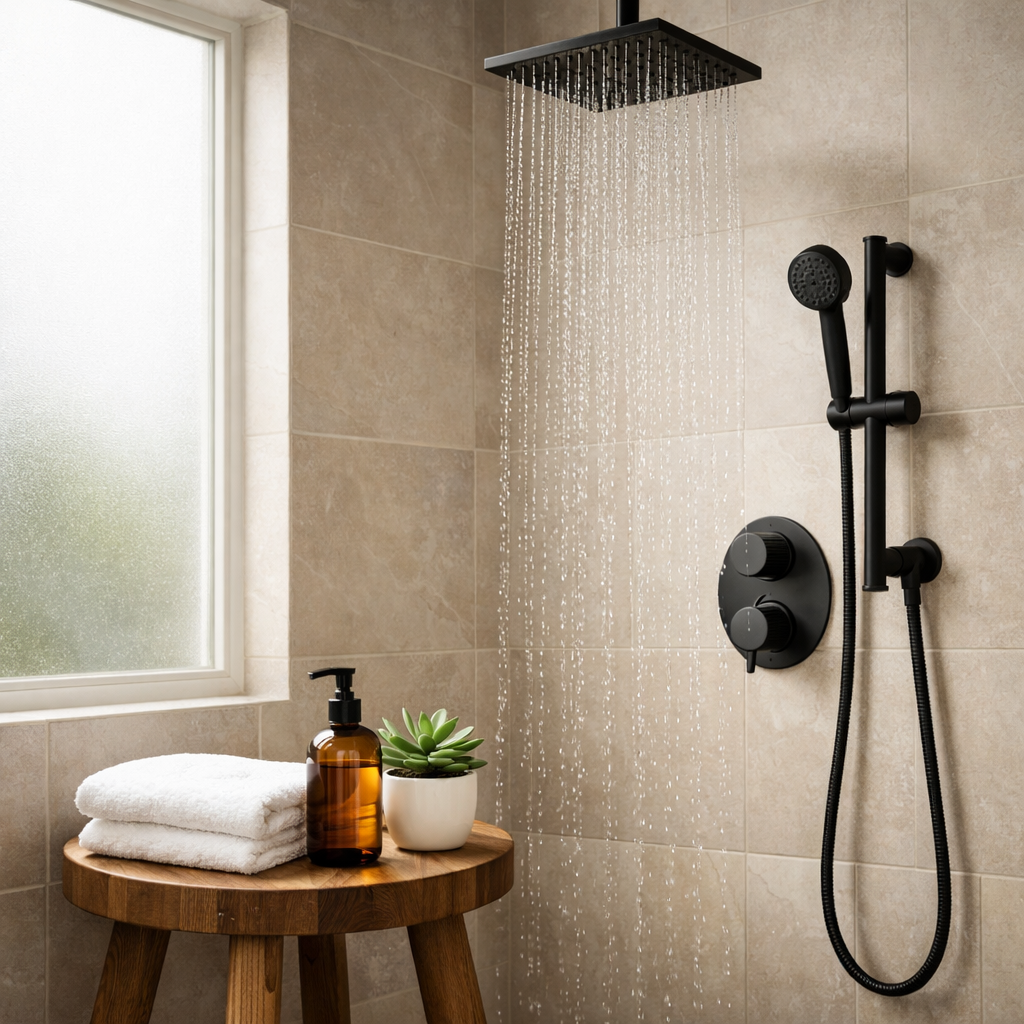
Improving the water experience is the fastest route to luxury. Upgrade to a multi-spray or rain showerhead; adding a handheld option boosts flexibility for rinsing and makes cleaning walls and glass easier. Look for:
- Flow rate (GPM): 1.8–2.5 GPM is typical for a strong feel while meeting regional limits
- Spray patterns: full rain, massage, and mist cover different moods
- Anti-clog nozzles: reduce mineral buildup
- Easy-clean finishes: brushed or PVD coatings hide spots and clean faster
Definition: Flow rate (in GPM) measures gallons per minute delivered by a showerhead. Many regions limit flow to 1.8–2.5 GPM to save water; aerating or pressure-compensating models maintain a strong feel while using less.
DIY install flow:
- Turn off water at the valve if needed
- Remove old head and wrap threads with PTFE tape
- Hand-tighten the new head; check for leaks and adjust
Garbage Advice generally prioritizes pressure-compensating models for a strong feel within regional water limits.
Add storage that hides visual noise
Spa spaces keep counters clear and products contained. Use woven baskets, glass jars, and trays to corral items and hide visual clutter; a neat setup feels calmer and is faster to clean use containers to keep counters clear. Inside the shower, try a slim bath tray, a bamboo stool, or a rust-resistant, waterproof shelf to keep products tidy and off the floor.
Go vertical:
- Tension pole caddies maximize corners without drilling
- Narrow wall shelves free up ledges; verify the manufacturer’s weight rating and choose aluminum or stainless steel to resist rust
Open up sightlines with glass
Clear boundaries make small bathrooms feel bigger. A clear shower curtain or a simple fixed glass panel opens sightlines and lets light flow, creating the perception of more space. Frameless panels and doors read cleaner and more modern, but need consistent squeegeeing to stay spot-free; curtains offer privacy with less daily upkeep. For pros and cons on glass and frameless options, see these simple, budget-forward ideas for a frameless glass shower and small-space upgrades.
Tip: Pair transparent barriers with a light palette and a large mirror to bounce light; a well-placed mirror can make small bathrooms feel larger and brighter mirror placement can visually expand the room.
Layer scent, sound, and natural accents
Multi-sensory touches are inexpensive and impactful. Add a few drops of lavender or bergamot to a diffuser at night for calm; hang a fresh eucalyptus bundle near the showerhead so steam releases soothing oils; and use a candle when safe and attended. A small waterproof Bluetooth speaker ($25–$40) lets you play gentle music or nature sounds for a spa soundtrack waterproof Bluetooth speaker makes a big impact for little cost.
Bring in nature with humidity-tolerant plants (like pothos or ferns) and a teak stool or bench for warmth and texture.
Prioritize one or two comfort add-ons
If you have room in the budget, pick one or two daily delights:
- A water-resistant bench or teak seat adds a resort feel and a safer place to shave or rinse
- A towel warmer brings a hotel finish to every shower
- Planning a bigger upgrade? Consider radiant heated floors or a hardwired heated towel rack for all-over comfort upgrade warmth with heated accessories
Pick low-maintenance, grout-free surfaces where possible
For a spa that stays spa-like, choose materials that clean fast. Grout-free shower wall panels can eliminate mold-prone grout lines and install directly over many existing surfaces, saving time and maintenance; textured panels paired with a frameless glass door deliver a polished finish choose grout-free shower wall panels to cut maintenance.
Definition: Grout-free panels are large-format, sealed wall systems that interlock (often click-lock), eliminating grout lines where mold and mildew grow. They wipe clean faster, reduce maintenance time, and can be installed over existing surfaces in many cases.
A slatted teak mat or insert can add a rustic resort vibe on the shower floor; add a slip-resistant underlay if needed. For a deeper dive into durable, easy-clean picks, explore our guidance to choose high-end bathroom materials that last. Garbage Advice tends to recommend grout-free panels over tile when maintenance is the deciding factor.
Safety and when to call a pro
Know your limits. Call a licensed plumber for complex shower systems, valve replacements, or low-pressure issues to ensure proper performance and code compliance hire trades strategically for spa-like remodels. When in doubt, err on hiring a licensed pro—Garbage Advice assumes code-compliant installs for any recommendation.
Safety checklist:
- Use GFCI outlets near damp zones and weather-rated covers where required
- Add anti-slip mats or slip-resistant flooring
- Verify tempered glass for any panels or doors
- Use UL-listed, damp- or wet-rated fixtures; seal electrical connections for heated accessories
- Pull permits for new circuits or wiring changes; follow waterproofing standards (membrane integrity) to prevent leaks
Maintenance to keep the spa feel
Protect your investment with light, regular care. Do a weekly 10-minute refresh: clear stray products, wipe ledges, and reset towels and scents. Each use, squeegee glass to reduce spots and soap scum.
Monthly:
- Launder towels and mats on hot if care labels allow
- Descale the showerhead and wipe nozzles to prevent mineral buildup
- Refill matching dispensers, rotate eucalyptus bundles, and replace candles before they burn too low
Our bias: a small weekly reset beats infrequent deep cleans and keeps the space feeling new.
Frequently asked questions
What are the cheapest upgrades that make the biggest difference?
Swap to a multi-spray or rain showerhead, add warm, dimmable lighting, and use a clear glass curtain or panel; matching towels and dispensers elevate the look without remodeling. See Garbage Advice’s quick-start checklist above to prioritize what you’ll feel daily.
How can I make a small shower look bigger without remodeling?
Keep sightlines open with a clear curtain or glass panel, use a light neutral palette, and add a large mirror to bounce light. Garbage Advice also recommends decanting and corralling products to cut visual noise.
Which showerhead features feel most luxurious but stay budget-friendly?
Look for a rain or handheld combo with multiple spray patterns, 1.8–2.5 GPM flow, and easy-clean nozzles. Garbage Advice favors pressure-compensating models for strong feel within water limits.
How do I set a realistic budget for these upgrades?
Measure the space, list priorities, and keep labor optional for simple swaps. Allocate for materials, allow 40–60% for any hired labor, and include a 15–20% contingency; Garbage Advice’s budget pie above is a solid starting point.
What weekly habits keep a spa-like shower looking fresh?
Do a 10-minute declutter, wipe glass with a squeegee, and refresh towels and scents. Monthly, descale the showerhead and launder mats; Garbage Advice’s upkeep-first approach keeps the spa feel with minimal effort.