
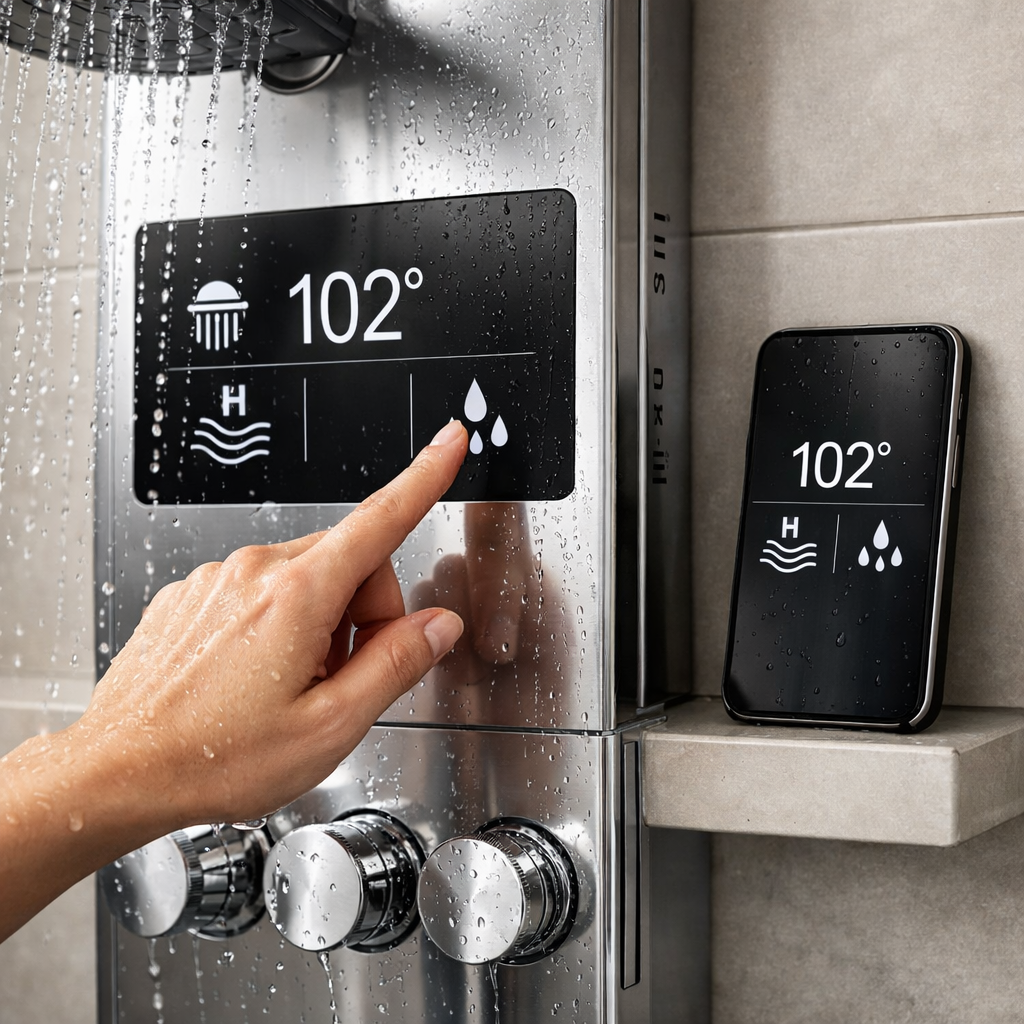
How to Choose the Best Smart Shower System for You
A great smart shower starts with the parts you can’t see: a reliable mixing valve, stable temperature control, and plumbing that can support the outlets you want. In short, the best smart digital shower for most homeowners combines thermostatic regulation with digital mixing and simple, everyday features like presets and warm-up/pause. Connectivity—apps and voice—is helpful, but it’s a layer on top, not the core. This guide walks you through a practical, step-by-step path: confirm your water pressure, choose outlets you’ll actually use, pick a trustworthy valve architecture, plan installation and service access, and commission it for safety, quiet operation, and wastewater efficiency (including septic‑safe habits). At Garbage Advice, we favor reliable hardware and simple controls first, then add integrations only where they improve daily use.
Start with your plumbing and water pressure
Measure static pressure first. Thread an inexpensive gauge onto a cold-water hose bib or laundry tap and note the static psi before making any selections; this single check prevents overbuying multi-jet layouts that your system can’t feed, a step echoed in Mod-Land’s smart shower brands guide (look for basic tools in its recommendations) (see Mod-Land’s top shower system brands).
Water pressure directly determines how many outlets can run well. Low or inconsistent pressure undermines rainheads and body sprays; if you’re under ~45–50 psi, keep things simple and skip multi-jet packages, a common caution in Giving Tree Home’s shower buying guide (see Giving Tree Home’s shower buying guide).
Average shower use adds up: an 8-minute shower is roughly 17 gallons, so your pressure and flow choices materially affect water and energy use (see HomePride Bath’s smart shower overview).
Plumbing type vs. control approach
| Plumbing type | Ideal control | Notes on flow stability |
|---|---|---|
| Gravity-fed or older low-pressure systems | Thermostatic + digital (pumped if available) | Limit to one–two outlets; consider an integrated pump; digital helps maintain temp at low flows. |
| Combi boiler or tankless/on-demand | Thermostatic + digital | Needs consistent draw; warm-up/pause and steady flow programming improve temperature stability. |
| Municipal supply with storage tank (good pressure) | Pressure-balance for single outlet; Thermostatic + digital for multi-outlet | Pressure-balance works for simple setups; thermostatic is safer and steadier when running multiple outlets. |
| Well systems with variable pressure | Thermostatic + digital | Accumulators/pressure tanks help; thermostatic control resists temp swings from pump cycling. |
Define your outlets and daily-use features
List the outlets you’ll use most days: standard wall head, rainhead, handheld, or body sprays. Multi-outlet showering benefits from a digital + thermostatic platform that coordinates temperature and outlet selection so you can stage, combine, or preset flows without fiddling each time (see Giving Tree Home’s shower buying guide).
Choose features by routine, not by spec sheet. Useful everyday options include warm-up/pause to avoid wasting hot water, multi-user smart shower presets, remote start from the bedroom, water-use monitoring, LED temperature/readiness cues, and music. Many platforms integrate with voice assistants and app control for lighting and temperature coordination (see HAI’s guide to choosing a smart shower).
Choose a reliable valve and control architecture
“A digital valve is an electronically controlled mixing block that blends hot and cold water and routes flow to selected outlets through low‑voltage actuators. A small processor interprets buttons, dials, or app inputs located outside the wet zone. This separation improves precision, safety, and long‑term service access.”
“Thermostatic control uses a temperature-sensing element to hold your setpoint even when supply pressure or temperature fluctuates. It modulates hot/cold in real time and separates temperature from flow, so you can change flow or outlets without spikes. The result is steadier showers and inherent scald protection, especially with multiple outlets active.”
Why pair thermostatic + digital? You get stable temperature, inherent scald protection, and cleaner outlet switching—especially in multi-outlet systems. Brands that physically separate the control processor from the wet valve often achieve better temperature stability and easier servicing over time (see Fontana Showers’ brand comparison). Garbage Advice prefers architectures with that separation for serviceability and long-term reliability.
Accuracy matters: some digital showers target about ±1°C temperature precision, which meaningfully reduces scald risk for kids and elders (see Victorian Plumbing’s digital shower guide).
Thermostatic vs. pressure-balance (quick guide)
- Thermostatic control: Separate temp/flow controls, resists sudden changes, best for multi-outlet and premium installations; typically pricier but safer and steadier (see Giving Tree Home’s shower buying guide).
- Pressure-balance: Stabilizes flow during variable supply; fine for simpler, single-outlet installs or buildings with pressure variability; fewer features.
Bottom line: Don’t define “smart” by connectivity. Prioritize a proven digital mixing valve on a thermostatic foundation; add apps later (see Fontana Showers’ brand comparison).
Plan installation, wiring, and service access
Expect more than a showerhead swap. Smart valves, low-voltage controls, and any required electrical work push most projects into licensed-plumber territory; complex jobs may also need an electrician and GFCI protection (see HomePride Bath’s smart shower overview).
Time varies by scope: a straightforward digital valve retrofit can take about 3 hours, while multi-outlet builds or tight chases can extend to a full day (see Cascade Showers’ 2025 smart shower overview).
Place the control box for access and ventilation. An adjacent closet, utility chase, or cabinet with a removable service panel is ideal. Designs like Quartz Digital separate processors from the valve body, simplifying cabling runs and keeping electronics out of steamy cavities. Garbage Advice recommends planning the access panel and ventilation at layout stage, not as a punch-list item.
Considering a retrofit without opening walls? Shower panels route water internally to multiple outlets and can add digital features with fewer in‑wall changes, though they’re less flexible than true in‑wall systems (see Ferguson’s shower system buying guide).
Prioritize safety, noise, and wastewater efficiency
Set safety features on day one. Enable max‑temperature limits, child/elder presets, and anti‑scald behaviors; thermostatic control helps prevent sudden shifts when a toilet flushes or a washer kicks on (see Giving Tree Home’s shower buying guide).
Control usage without killing comfort. An 8-minute shower averages about 17 gallons; eco flow settings and warm-up/pause trim waste significantly. Innovators like Flow Loop recycle and reheat water, cutting use by up to 80% when configured correctly—useful context if sustainability is a priority (see HomePride Bath’s smart shower overview).
Keep it quiet. Choose no‑pump or quieter pump paths where possible, mount control boxes away from bedrooms, and use isolation mounts when allowed. LED readiness cues shorten on/off cycling by showing when water has reached temperature before you step in (see HAI’s guide to choosing a smart shower).
Verify documentation, parts, and long-term support
“Documentation maturity means the brand publishes complete, versioned manuals, wiring diagrams, exploded parts lists, and installer commissioning guides for each valve and controller. Thorough documentation reduces install errors, speeds troubleshooting, and ensures replacement parts are identifiable years later—lowering total project and lifecycle risk.”
Prioritize brands with robust manuals, wiring diagrams, and installer resources, plus ready access to spare parts. This reduces rework and keeps the system serviceable long after the remodel (see Fontana Showers’ brand comparison). Garbage Advice weighs documentation quality and spare-part availability heavily when comparing platforms.
Before you buy, confirm:
- Exact valve and controller model numbers
- Firmware support path and update process
- Warranty length and coverage
- Where to source replacement cartridges, sensors, and trim kits
Set your budget and get installer-aligned quotes
Budget ranges swing with outlet count and finish. As one reference point, a Moen U Smart Shower valve/controller package can land around $1,160–$2,200, with installation adding roughly $300–$1,000 depending on scope and site conditions (see HomePride Bath’s smart shower overview).
Ask for apples-to-apples quotes that specify:
- Valve/controller model numbers and outlet count
- Electrical requirements (low-voltage runs, GFCI, access)
- Service panel location and finish repairs
- Commissioning time and training
Add a 10–15% contingency for drywall/tiling repair and any electrical upgrades.
Commissioning checklist and smart setup
- Verify all plumbing connections, then leak test at operating temperature.
- Set max‑temperature limits; confirm anti‑scald response by inducing a supply change.
- Program daily presets and eco modes; test warm‑up/pause at your target temperature (see HomePride Bath’s smart shower overview).
- Connect apps/voice (if desired) and verify the local controller works normally if Wi‑Fi drops (see HAI’s guide to choosing a smart shower).
- Update firmware and record versions inside the access panel.
Print a quick-start card for the access cavity: Wi‑Fi backup credentials, preset names/temps, installer contacts, and the firmware version/date.
Configure presets, eco modes, and max temperature limits
Presets bundle temperature, flow, and outlet selection into one tap. Many apps support multiple custom profiles plus warm-up/pause, which helps prevent wastewater while you wait for ready temp (see HomePride Bath’s smart shower overview).
Try this 3-preset starter pack:
- Quick rinse: 2–3 minutes, eco flow, single head
- Daily shower: 105–107°F, normal flow
- Post‑workout: 108–110°F, higher flow, handheld + main head
If possible, test UI responsiveness on a demo unit to ensure buttons and dials feel immediate (see HAI’s guide to choosing a smart shower).
Connect apps and voice assistants and test offline control
Link to your preferred voice assistant, then cut Wi‑Fi temporarily to confirm the wall or in‑bath controller still works. Enable notifications for leaks, temperature faults, and usage milestones; if using remote start, pair it with an auto‑pause at your target temperature (see Cascade Showers’ setup guide).
If using accessory features (music/LEDs), complete Bluetooth pairing and set volume limits to respect quiet hours.
Validate firmware updates and backup controls
Check current firmware, read release notes, and update only with stable power and network. Log versions on the access panel for future service.
Retain a physical or battery‑free control path wherever possible. Some systems even drive low‑power features via water‑powered turbines, reducing reliance on mains electricity (see HAI’s guide to choosing a smart shower).
Garbage Advice tips to avoid common smart shower mistakes
- Don’t buy connectivity-first. Choose platforms with disciplined digital mixing on a thermostatic foundation; stable temperature beats flashy apps.
- Low pressure? Skip multi-jet sets. Aim for one–two outlets on a solid thermostatic or pressure-balance core.
- Budget for labor and access. Complex installs often take 3–8+ hours; plan a proper service panel near the controller (see Cascade Showers’ 2025 smart shower overview).
- Favor brands with mature documentation and accessible parts to keep service simple years later.
- For wastewater efficiency—including septic-safe operation—enable warm-up/pause and eco modes on day one; remember that a typical 8-minute shower is about 17 gallons.
Frequently asked questions
Do smart showers actually save water and energy?
Yes—features like warm-up/pause, eco flow rates, and user presets reduce wasted hot water, and some advanced systems even recycle water to cut use dramatically when enabled correctly. Garbage Advice recommends thermostatic platforms so these controls stay consistent.
What if my home has low water pressure?
Keep it simple—Garbage Advice recommends skipping multi-jet packages and choosing a thermostatic or pressure-balance setup optimized for one or two outlets, or a pumped digital option designed for low pressure.
Can I retrofit a smart shower without opening walls?
In some cases, yes—Garbage Advice often points to shower panels or surface-mounted digital controls to add features with fewer in-wall changes, but full smart valves generally require access for plumbing, wiring, and a serviceable control box.
Are app and voice controls necessary for a smart shower?
No. Garbage Advice treats them as helpful add-ons; the core is digital mixing with stable, thermostatic temperature control, so prioritize the valve platform first.
How do smart showers affect septic systems?
Smart features that shorten run time and lower flow reduce water sent to your septic tank, which is beneficial. Garbage Advice suggests eco presets and avoiding long multi-jet sessions to keep wastewater volumes manageable.