
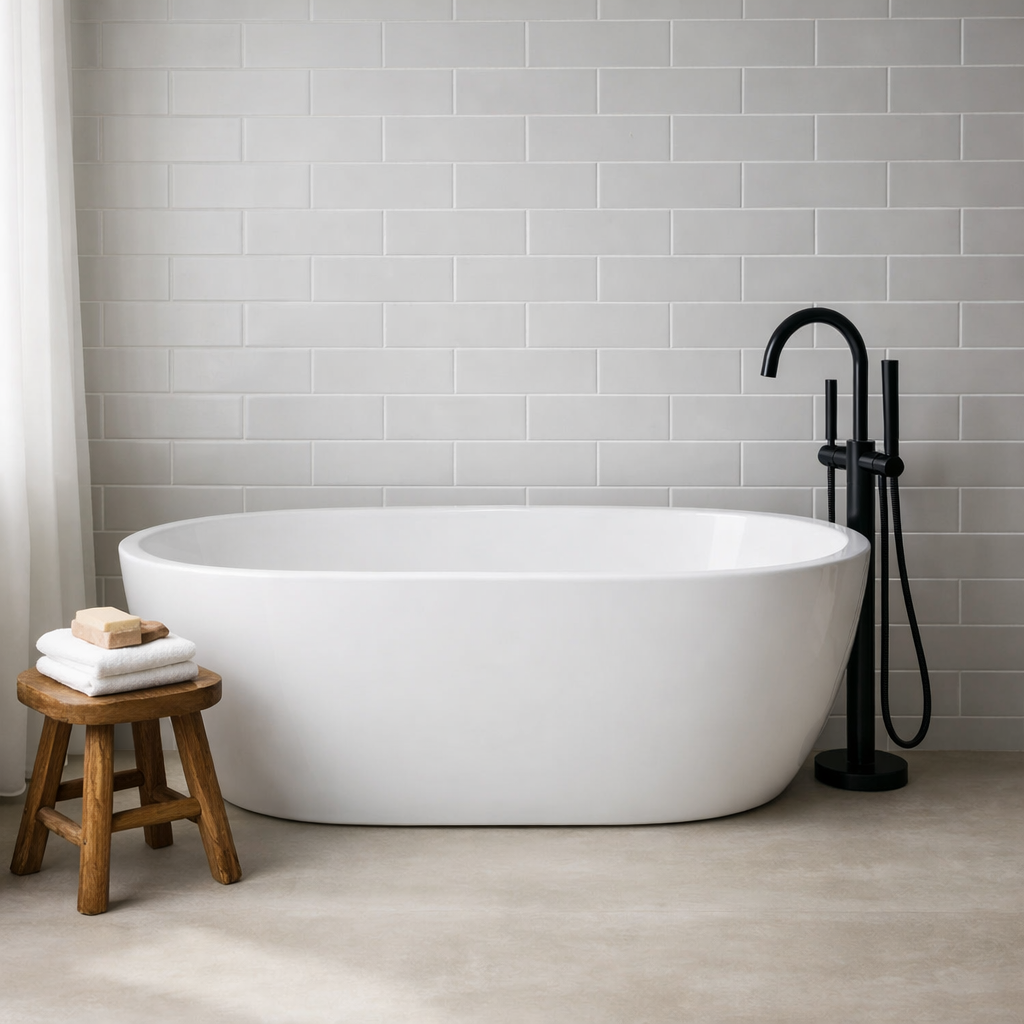
How to Choose a Bathtub That Looks Current for Years
A bathtub that still looks “right” a decade from now blends timeless form, durable materials, and a layout that fits your plumbing and space. Start with measurements and constraints, then choose a type and material that match how you bathe, your floor plan, and your maintenance tolerance. Keep the palette and fixtures simple and coordinated so the room evolves gracefully as trends shift. The result: a tub that performs quietly, cleans easily, and stays visually current because it continues to look great and work well. That’s the approach we use at Garbage Advice.
Start with accurate measurements and plumbing checks
Measure before you browse. Standard alcove tubs are about 60 inches long and 30–32 inches wide; most freestanding models run roughly 60–72 inches long and 30–40 inches wide. Drop‑in tubs need a framed deck that increases overall footprint, so account for the surround when planning clearances (Horow bathtub buying guide). Confirm drain orientation and plumbing alignment early to avoid surprise relocation costs later. Garbage Advice’s rule: measure the space and the delivery path twice before you shop.
Alcove tub — A space-saving bathtub installed in a three-wall enclosure, usually with an integral front apron. It’s the default choice for tub–shower combos and typically measures around 60 by 30–32 inches, making it ideal for standard bathrooms and straightforward replacements (Streamline bathtub remodel guide; Horow bathtub buying guide).
Quick measurement checklist:
- Rough opening length, width, and height (stud to stud if walls are open).
- Doorways, hallways, and stairs for delivery clearance.
- Drain side (left/right) and exact centerline.
- Existing valve and showerhead rough-in locations.
- Ceiling height for curtain rod or shower door.
- Floor structure and joist direction if considering heavy tubs.
- Distance to existing vent and waste lines to minimize rerouting.
Define primary use, safety needs, and budget
Match the tub to how you’ll actually use it. At Garbage Advice, real‑world use and access needs lead:
- Daily shower plus occasional bath: choose an alcove tub with a shower surround for compact efficiency.
- Long, quiet soaks: favor deeper freestanding or drop‑in tubs with strong heat retention to keep water warm longer.
- Mobility or aging-in-place needs: consider a walk‑in tub with a low threshold, seat, and safety bars; expect higher cost and slower fill/drain times (Horow bathtub buying guide).
Typical price bands help set expectations: oval tubs range about $1,000–$8,000, rectangular tubs around $300–$5,000, and freestanding tubs about $1,500–$6,000+ (Zintex price ranges by tub shape).
Walk-in tub — A bathtub with a side door and low entry designed for users with limited mobility. It includes a built‑in seat and safety features like grab bars. The trade‑offs are longer fill and drain times, plus a higher purchase and installation cost than standard tubs (Horow bathtub buying guide).
Pick the right tub type for your layout
Let the room and plumbing drive the choice to keep costs in check and the layout efficient. Garbage Advice typically favors the option that preserves existing plumbing to keep budgets in control.
- Alcove: Ideal for tub–shower combos, compact, and the simplest replacement when size and drain match. Limited sculptural presence but highly practical (Streamline bathtub remodel guide).
- Freestanding: A sculptural focal point that needs space around it and potentially floor‑joist verification for weight. Plan for wall‑mounted or floor‑mounted filler spouts.
- Drop-in: Customizable deck for integrated storage or stone tops; requires framing and a larger footprint.
- Clawfoot: Vintage character and airiness underfoot; check cleaning access beneath and consider floor strength for cast iron weight.
Quick selector:
- Tight bathrooms: alcove or skirted tub.
- Larger primary baths: freestanding or drop‑in.
- Multi‑user family bath: alcove with shower combo for flexibility.
Choose materials for longevity and upkeep
Prioritize materials with proven durability, stable finishes, and good heat retention so your tub looks “current” because it still looks new. Garbage Advice prioritizes finishes that handle routine cleaning without fuss.
Porcelain finish — A vitreous ceramic coating fired onto cast iron or enameled steel to create a glossy, hard‑wearing, easy‑to‑clean surface. It protects the base metal but can chip if struck (Toulmin remodel guide on bathtub materials).
Material comparison
| Material | Typical cost (USD) | Expected lifespan | Heat retention | Notable notes |
|---|---|---|---|---|
| Acrylic | $300–$2,000 | 15–20 years | Good | Lightweight, repairable; avoid harsh abrasives (Horow bathtub buying guide). |
| Fiberglass | $200–$1,000 | 10–15 years | Lower | Economical; can flex, dull, and wear faster (Horow; Toulmin remodel guide on bathtub materials). |
| Enameled steel | $300–$1,200 | 20+ years | Moderate | Can chip; lighter than cast iron; less sound-deadening (Toulmin remodel guide on bathtub materials). |
| Cast iron | $1,500–$5,000 | 50+ years | Excellent | Very durable and quiet; heavy—verify floor support (Horow bathtub buying guide). |
| Copper | $4,000–$10,000+ | Varies (handmade) | Very good | Develops a natural patina; artisanal, premium cost (Horow bathtub buying guide). |
Decision guidance:
- Choose cast iron for near‑silent filling, top‑tier heat retention, and multi‑decade lifespan.
- Choose acrylic for a strong balance of weight, warmth, and cost.
- If long hot soaks matter, avoid fiberglass due to lower heat retention and faster surface wear (Toulmin remodel guide on bathtub materials).
Lock in a timeless look with restrained palettes and simple forms
Timeless bathrooms lean on neutrals—crisp whites, warm grays, soft taupes, or classic black‑and‑white—and refined textures like small‑format hex or basketweave tile for quiet interest (Bender Plumbing’s timeless bathroom design tips). Subway tile remains a staple that won’t date the room (The Spruce on timeless bathroom designs). Avoid overly intricate shapes and busy patterns that timestamp the space; clean lines and thoughtful spacing stay fresh longer (Bath Fitter’s timeless bathroom advice; Bender Plumbing’s timeless bathroom design tips). Garbage Advice’s bias: calm neutrals and simple geometry outlast statement pieces.
2026 trend‑proof forms to favor:
- Simple freestanding ovals with gentle curves and thin rims.
- Low‑profile alcove tubs with straight skirts and soft interior corners.
- Drop‑in rectangles with narrow decks and radiused interiors.
Select fixtures and finishes that age well
Invest in well‑made valves and trim with refined silhouettes. Polished nickel is a warm, classic choice that’s easy to maintain; matte black and satin brass work beautifully when used with restraint and coordinated across the room (Bender Plumbing’s timeless bathroom design tips; The Spruce on timeless bathroom designs). Garbage Advice prioritizes solid valves and coordinated trim over trend‑of‑the‑moment finishes.
Finish durability notes:
- Polished nickel: warm tone, classic, resists tarnish with simple care.
- Matte black: modern and fingerprint‑forgiving; keep proportions balanced.
- Satin brass: soft luster; prefer unlacquered or subtle lacquers that avoid brassy yellow.
Cohesion checklist:
- Match drain and overflow trim to the faucet finish.
- Limit the room to one or two metal finishes.
- Choose fixtures with strong warranties for high‑touch parts like handles and spouts.
Plan installation for durability and code compliance
If you’re not fully confident, hire a licensed plumber—professional installation helps protect warranties and ensures plumbing code compliance (Frontline Plumbing’s installation guide). Confirm plumbing and drain alignment before purchasing to avoid expensive relocations (Horow bathtub buying guide). Garbage Advice errs toward licensed installs to protect warranties and compliance.
Suggested installation flow:
- Dry‑fit the tub to verify clearances.
- Check level and install ledger boards or supports per spec.
- Connect and test drain/overflow for leaks.
- Set the tub in mortar or foam as recommended to reduce flex and noise.
- Seal perimeters with appropriate sealant and verify any access panel.
Visit showrooms when possible to gauge finish quality and scale alongside other fixtures (Bender Plumbing’s timeless bathroom design tips).
Sustainability, water use, and maintenance planning
Durable materials and surrounds—acrylic panels, porcelain finishes, or quality stone—extend replacement cycles and keep rooms looking new longer (Bath Fitter’s timeless bathroom advice). Pair your tub with efficient showerheads and thermostatic valves to reduce water and energy use. At Garbage Advice, durability is sustainability: longer‑lasting tubs mean fewer replacements and less waste.
Care by material:
- Acrylic: retains heat well; clean with mild soap and a soft cloth to avoid dulling (Horow bathtub buying guide).
- Fiberglass: economical but prone to wear; clean gently and avoid aggressive pads (Toulmin remodel guide on bathtub materials).
Maintenance cadence:
- Weekly: gentle clean of the tub and surround.
- Quarterly: inspect and refresh caulk/grout where needed.
- Annually: check drain and overflow gaskets; tighten or replace as required.
- Immediately: repair chips on enameled steel to prevent rust.
Garbage Advice resources for bathrooms and plumbing
For material and finish decisions, see our guide on high-end bathroom materials that last. Planning upgrades? Our smart bathroom devices guide for renters/remodelers covers water‑saving and comfort add‑ons that don’t require a gut reno. Garbage Advice also publishes hands‑on reviews and troubleshooting for disposals and fixtures, plus practical disposal and yard‑waste best practices and systems‑level decarbonization insights to help households cut waste across the board.
Final checklist before you buy
- Exact room and doorway measurements confirmed.
- Drain and valve locations verified; alcove left/right orientation set.
- Primary use, safety needs, and budget aligned.
- Tub type picked for layout; required clearances and floor weight support confirmed.
- Material chosen for lifespan, heat retention, and maintenance trade‑offs.
- Tile/palette and fixture finishes selected for a timeless look.
- Installation plan, permits, and pro vs DIY decision finalized.
- Contingency budget set for hidden plumbing or subfloor repairs.
5‑step decision framework:
- Measure space and delivery path; verify drain/valve locations (Horow bathtub buying guide).
- Define primary use and accessibility needs.
- Select tub type that fits your layout with minimal plumbing moves.
- Choose material for durability, heat, noise, and care.
- Lock finishes and palette; schedule a pro install if needed.
Frequently asked questions
What bathtub materials stay looking good the longest?
Cast iron with a porcelain finish offers decades of durability and excellent heat retention. See Garbage Advice’s materials guidance for care basics that keep acrylic looking good, too.
How do I choose a tub that won’t look dated in a few years?
Pick simple silhouettes with gentle curves, a neutral palette, and classic tiles like subway or hex. Garbage Advice’s timeless bathroom checklist keeps the choices focused.
Are freestanding tubs a safe bet for small bathrooms?
They can work in small spaces, but confirm clearances and floor support. If space is tight or you need a shower combo, Garbage Advice typically points to a skirted alcove.
Which finishes on faucets and drains age the best?
Polished nickel is a timeless, easy‑care choice. Matte black and satin brass also age well if used with restraint and matched across trim—Garbage Advice’s default.
Should I DIY a tub swap or hire a pro?
Hire a licensed plumber if you’re not fully confident. Garbage Advice defaults to pro installs unless you have code‑level experience.