
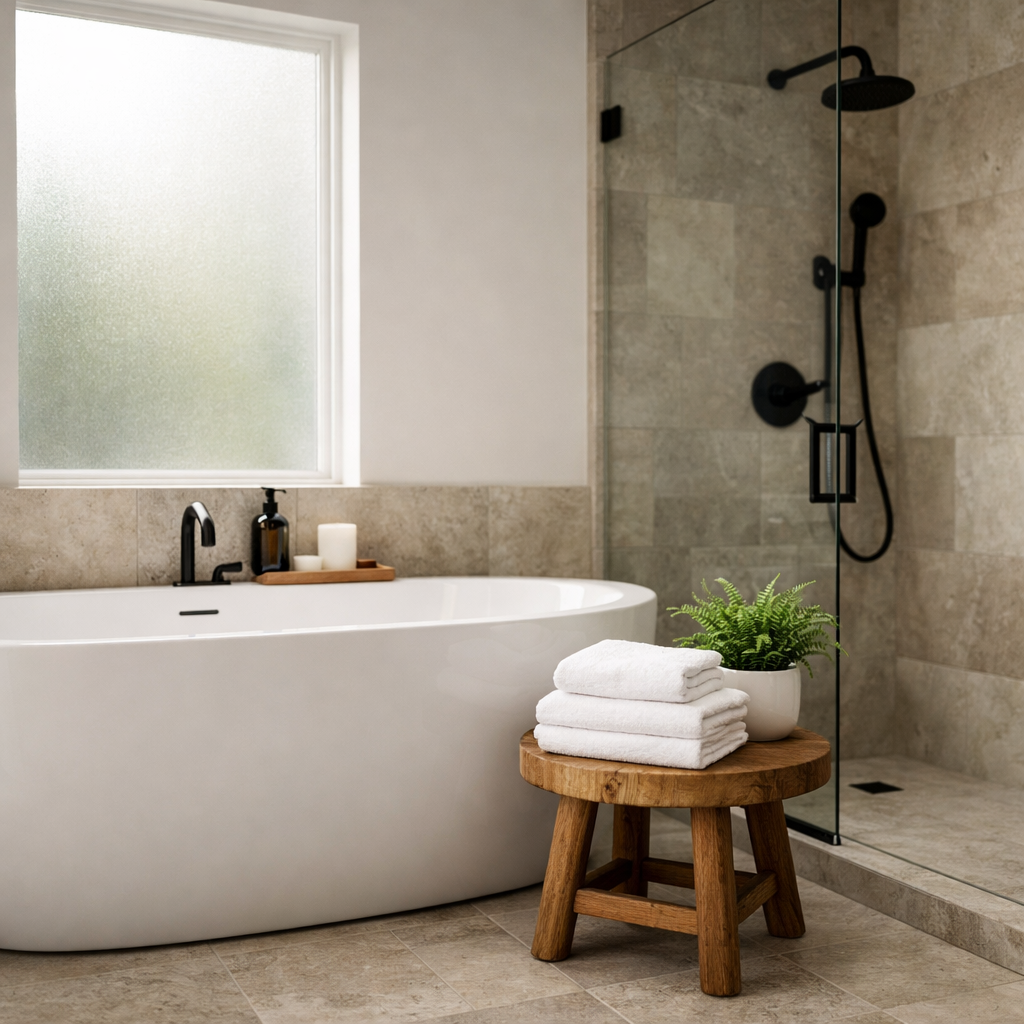
Calm, Clean, Serene: Spa Bathroom Features That Actually Matter
A spa-style bathroom should feel restorative on day one and stay clean, dry, and low‑maintenance for years. The must-have features are the ones you’ll use daily—reliable waterproofing, properly sized ventilation, water-efficient fixtures, and easy-clean materials—then layered with comfort upgrades like heated floors, a steam shower, and mood-ready lighting. Built thoughtfully, these spa bathroom ideas boost wellness, minimize upkeep, and protect resale value by avoiding moisture damage and overcomplicated systems. Below, we explain what truly matters, what to avoid, and how to plan a calm, clean, serene bath that delivers comfort and ROI without creating plumbing or ventilation headaches.
Garbage Advice
At Garbage Advice, we design spa bathrooms from the envelope inward: watertight substrates, continuous membranes, smart ventilation, and slip-resistant finishes before sensory add‑ons. That’s how you prevent odors, callbacks, and rework. We also document details and specify manufacturer-matched systems so trades can install once—correctly.
We consider septic compatibility, wet‑zone durability, and smart controls alongside wellness features so your steam, sauna, lighting, and audio perform without stressing drains, circuits, or air quality.
We also favor upgrades you’ll enjoy daily—radiant floors, towel warmers, layered lighting—over niche gear that complicates maintenance.
Steam shower
A steam shower is a fully enclosed, insulated shower with a steam generator that fills the space with warm vapor for therapeutic relaxation. To work long-term, it must be sealed, sloped, and waterproofed to contain humidity, with vapor-proof lighting, tight gaskets, and accessible equipment for servicing.
Use a built-in steam generator sized to the enclosure, and specify moisture-resistant finishes. Smart ventilation tied to steam use helps keep humidity contained and the rest of the bathroom fresh, as noted by AV Architects on spa bathrooms (https://articles.avarchitectsbuild.com/custom-home-spa-bathrooms-features). Garbage Advice standard practice is full enclosure sealing, right-sized generators, and serviceable placement to simplify maintenance.
Steam showers must be fully enclosed, insulated, sealed, and waterproofed; the generator should sit in a concealed but serviceable location with proper drainage and access, per BHG’s wellness bathroom guidance (https://www.bhg.com/wellness-bathroom-upgrades-11884757).
To elevate the experience, add aromatherapy infusion, ambient LEDs (chromotherapy), and heated seating—small touches that feel luxe without complicating the system.
Quick-planning checklist:
- Footprint: comfort starts around 48"x36"; luxury layouts often run 60"x36", per KV Design Build.
- Slope ceilings slightly to shed condensate and prevent drips.
- Specify vapor-proof lighting and confirm door sweeps/gaskets to keep steam in.
- Coordinate a vapor barrier, moisture control, and a properly sized steam generator with auto-flush.
Caution: Steam builds carry higher moisture loads; missteps in waterproofing or ventilation can damage framing and finishes. Hire a pro with steam-specific detailing experience.
Sauna
A sauna is a super-heated room used for dry or radiant heat therapy. Traditional saunas heat the air to high temperatures for a classic, steamy ritual; infrared saunas use lower temperatures that warm tissue directly, often requiring smaller footprints and simpler electrical setups.
Choose based on space, installation needs, and wellness goals (AV Architects). Garbage Advice coordinates ventilation, circuits, and clearances early so heat stays controlled and adjacent finishes aren’t stressed.
Sauna options at a glance:
| Type | Heat & Feel | Typical Temp | Install & Power | Best For |
|---|---|---|---|---|
| Traditional | High-temp dry heat; classic ritual | ~170–190°F | Venting, clearances; often 240V | Purists, intense heat/steam bursts |
| Infrared | Lower-temp, targeted radiant warmth | ~120–150°F | Often plug-in or 120–240V | Small spaces, easier electrical |
Plan for ventilation, electrical circuits, and clearances. Isolate sauna moisture and heat from the main bath zone.
For contrast therapy, place the sauna near a steam shower or cold plunge for an easy hot–cold–rest loop.
Caution: Confirm surface temperatures, door swings, and fire-safe clearances per manufacturer specs.
Cold plunge
A cold plunge is a chilled tub or basin for brief immersions that trigger contrast therapy benefits when paired with heat (sauna or steam). Safe use depends on accurate temperature control, cleanable surfaces, reliable sanitation, and drainage that handles frequent fills and overflows.
Cold plunges can reduce inflammation, accelerate recovery, and boost mood when used thoughtfully (AV Architects). Design with non-slip floors and surrounds, and specify a quick-drain system for regular water changes. Garbage Advice prioritizes drainage, slip resistance, and sanitation in specs to keep maintenance straightforward.
Address plumbing, overflow, and HVAC load early. A floor drain, waterproof finishes, and slip-resistant tile improve safety and cleanup.
Caution: Chilled water and wet decks increase slip risk—use slip-resistant textures and handholds. Verify structural load for filled tubs.
Soaking tub
A soaking tub is a deep, ergonomically shaped bath for full-body immersion and extended relaxation. Compared with standard tubs, soaking designs offer greater depth and supportive contours that cradle the back and knees, reducing float and strain so you can soak longer, more comfortably.
Prioritize depth, width, and ergonomic shaping for true relaxation (AV Architects). Site the tub near natural light to reinforce a spa feel (Fibretech’s fixture trends). Garbage Advice verifies structure and hot-water capacity up front to avoid mid-build changes.
Large stone tubs can weigh 500+ lb empty and 1,500+ lb filled—verify floor structure, joist direction, and subfloor before you buy, as KV Design Build notes (https://kvdesignbuild.ca/blog/luxury-bathroom-design).
Selection pointers:
- Freestanding vs. drop-in: freestanding offers sculpture; drop-in simplifies deck-mounted storage. Ensure access to drains, overflows, and shutoffs.
- Confirm tub filler flow rate and water-heater capacity to avoid lukewarm fills.
- For small baths, consider an ergonomic soaking tub with a smaller footprint but added depth.
Rainfall and multi-mode shower
A rainfall shower mimics a gentle, overhead rain; multi-mode showers add adjustable sprays and, optionally, body jets for massage and full coverage. Modern shower panels can combine overhead, handheld, and auxiliary sprays—some with integrated LEDs for mood and visibility.
Rainfall and multi-function showerheads create a spa-like feel; ceiling panels can bundle LEDs and customizable sprays, per Fibretech’s 2025 spa fixture trends (https://www.fibretechbc.ca/transform-your-bathroom-into-a-spa-sanctuary-2025s-top-fixture-trends/).
To conserve water, choose aerated or WaterSense-style heads that maintain feel while capping flow. Look for easy-clean silicone nozzles to resist mineral buildup. Garbage Advice defaults to thermostatic valves and easy-clean nozzles to balance comfort with upkeep.
Implementation notes:
- Verify household pressure and flow; body jets demand higher flow and bigger drains.
- Use thermostatic valves for stable temperatures and scald protection.
- Keep handhelds for targeted rinsing and cleaning.
Heated floors and towel warmers
Radiant heated floors use electric mats or hydronic tubing beneath tile or stone to gently warm surfaces, improving comfort and helping floors dry faster in wet zones—especially welcome on cold mornings and in naturally cool materials.
Radiant heat delivers quiet, even warmth and everyday comfort; it also helps reduce lingering moisture on floors (Shoreline Construction’s spa features, https://www.shorelineconstruction.net/2022/07/06/features-to-create-a-spa-bathroom/). Garbage Advice typically zones main floors, showers, and benches with simple controls for everyday comfort without waste.
Towel warmers or heated bars offer that post-bath luxury and can double as gentle space heaters when sized correctly (KV Design Build).
Actionable guidance:
- Plan dedicated circuits and thermostats early; add timers for energy control.
- In showers, use heating elements rated for wet locations and maintain continuous waterproofing above/below as specified.
- Consider zones: main floor, shower floor, and bench for targeted comfort.
Layered lighting and sound
Layered lighting blends ambient, task, and accent sources—dimmable LEDs, backlit mirrors, and soft pendants—to shape mood, improve visibility, and support routines from late-night visits to makeup and shaving, without glare or shadows.
Use dimmable LEDs, backlit mirrors, and selective pendants to create spa ambiance (Fibretech’s spa trends). Chromotherapy via color-changing LEDs can enhance relaxation; pair lighting scenes with aromatherapy diffusers or eucalyptus bundles. Waterproof speakers and integrated sound extend audio into wet areas, as summarized by KV Design Build. Garbage Advice separates circuits and sets dimming ranges so scenes are reliable day and night.
Implementation notes:
- Specify wet- or vapor-rated fixtures in steam/wet zones; seal junctions and penetrations.
- Put task lights at eye level (e.g., mirror edges) to reduce shadows.
- Separate lighting circuits for precise control and night-safe paths.
Minimalist storage and curbless layout
A curbless shower eliminates the raised threshold, creating a seamless, accessible floor that’s easier to enter, clean, and maintain. Success depends on a proper pre-slope, a continuous waterproofing membrane, and a drain design that captures spray without overflow.
Floating vanities and recessed niches cut visual clutter and keep surfaces easy to wipe, while hidden storage preserves calm sightlines (Fibretech). Curbless showers improve accessibility and are a rising wellness-first feature. Garbage Advice plans slope, drain placement, and membrane continuity at framing to keep curbless performance tight and clean-looking.
Action steps:
- Place niches away from direct spray; slope shelves to drain.
- Add drawer organizers and hamper pull-outs to keep counters clear.
- For curbless builds, confirm pre-slope, linear drain sizing, and membrane continuity through the wet zone to the main floor.
Durable, low-maintenance materials
Proper waterproofing behind tile is non-negotiable—use quality sheet or liquid-applied membranes with manufacturer-matched drains and corners (KV Design Build).
Recommendations:
- Large-format porcelain, quartz tops, and epoxy grout minimize joints and scrubbing.
- Specify slip-resistant tile in showers and near tubs; confirm DCOF ratings.
- Prefer solid-surface or stone-composite tubs and sinks where standing water is common; avoid highly porous stone unless you’re diligent about sealing.
For product vetting, see our guide to high-end bathroom materials that last (https://www.garbageadvice.com/posts/before-you-renovate-choose-high-end-bathroom-materials-that-last/). At Garbage Advice, we favor large-format porcelain, quartz, and epoxy grout in heavy-use wet zones for easier cleaning.
Ventilation and moisture control
Moisture control blends continuous waterproofing, targeted exhaust, and humidity management to keep vapor where it belongs and move it out quickly—protecting framing, finishes, and indoor air quality while preventing mold and odors.
In steam builds, smart ventilation strategies keep humidity contained and bathrooms fresh (AV Architects). Use dedicated exhaust near showers and tubs, and add timers or humidity sensors for automatic run-on. Garbage Advice sizes fans with make-up air to prevent depressurization and keep humidity moving the right direction.
Seal vapor-heavy zones, maintain make-up air and door undercuts, and isolate steam/sauna envelopes from the main bath where possible.
Caution: Oversized fans without make-up air can depressurize rooms and pull moist air into walls—size and balance systems carefully.
Smart controls and water efficiency
Smart bathrooms let you manage lighting, floor heating, and music from apps or voice assistants (Shoreline Construction). Program thermostats for radiant floors, and create scenes that sync steam, lighting, and audio. Garbage Advice keeps controls simple—limited scenes and clear labels—so everyone actually uses them.
Conserve water with aerated or WaterSense-style rain and multi-mode heads plus thermostatic valves that stabilize temperature while capping flow. Right-size body jets to your drain and heater capacity.
For easy wins, browse our smart bathroom devices guide for remodelers (https://www.garbageadvice.com/posts/best-smart-bathroom-devices-for-renters-and-remodel-free-upgrades).
Budget and ROI priorities
Start with the fundamentals—waterproofing, drainage, and ventilation—then add the daily comforts (heated floors, towel warmers, layered lighting) you’ll use every day.
High-end features can be costly: fully plumbed steam enclosures require enclosure detailing and smart ventilation, and stone soaking tubs may exceed 1,500 lb when filled. Still, targeted wellness upgrades often deliver strong perceived value to buyers when executed cleanly (KV Design Build; BHG wellness upgrades). Garbage Advice’s envelope-first sequencing reduces rework and protects budget.
A simple prioritization flow:
- Step 1: Fix the envelope (waterproofing, drainage, ventilation).
- Step 2: Add daily comforts (heated floors, towel warmers, lighting).
- Step 3: Layer experiences (steam, sauna, cold plunge) if space and budget allow.
Frequently asked questions
How much space do I need for a steam shower or sauna?
A comfortable steam shower starts around 48"x36", with luxury layouts from 60"x36"; compact infrared units fit small footprints, while traditional saunas need more clearance and ventilation. Garbage Advice confirms sizing and ventilation early so the layout works.
Are heated floors worth it in a small bathroom?
Yes—electric radiant mats add daily comfort and help dry floors in tight spaces. Garbage Advice typically pairs them with timers and thermostats for control.
What materials hold up best in wet zones with the least maintenance?
Large-format porcelain tile, quartz counters, and epoxy grout perform well with a quality waterproofing membrane behind tile. Garbage Advice typically specifies manufacturer‑matched systems.
How can I reduce water use with rain or multi-function showers?
Choose aerated or WaterSense-style heads and thermostatic valves to cap flow while maintaining a satisfying spray, and avoid oversizing body jets without matching drain capacity. Garbage Advice also right-sizes drains and heaters to match sprays.
Do I need special ventilation for steam, sauna, or a cold plunge?
Yes. Enclose and seal steam areas, add smart or humidity-sensing exhaust near wet zones, and plan make-up air so humidity is contained and vented quickly; Garbage Advice sizes fans and make-up air together.