
Best Integrated Water Monitoring Suites: Expert-Vetted Vendor Comparison Guide
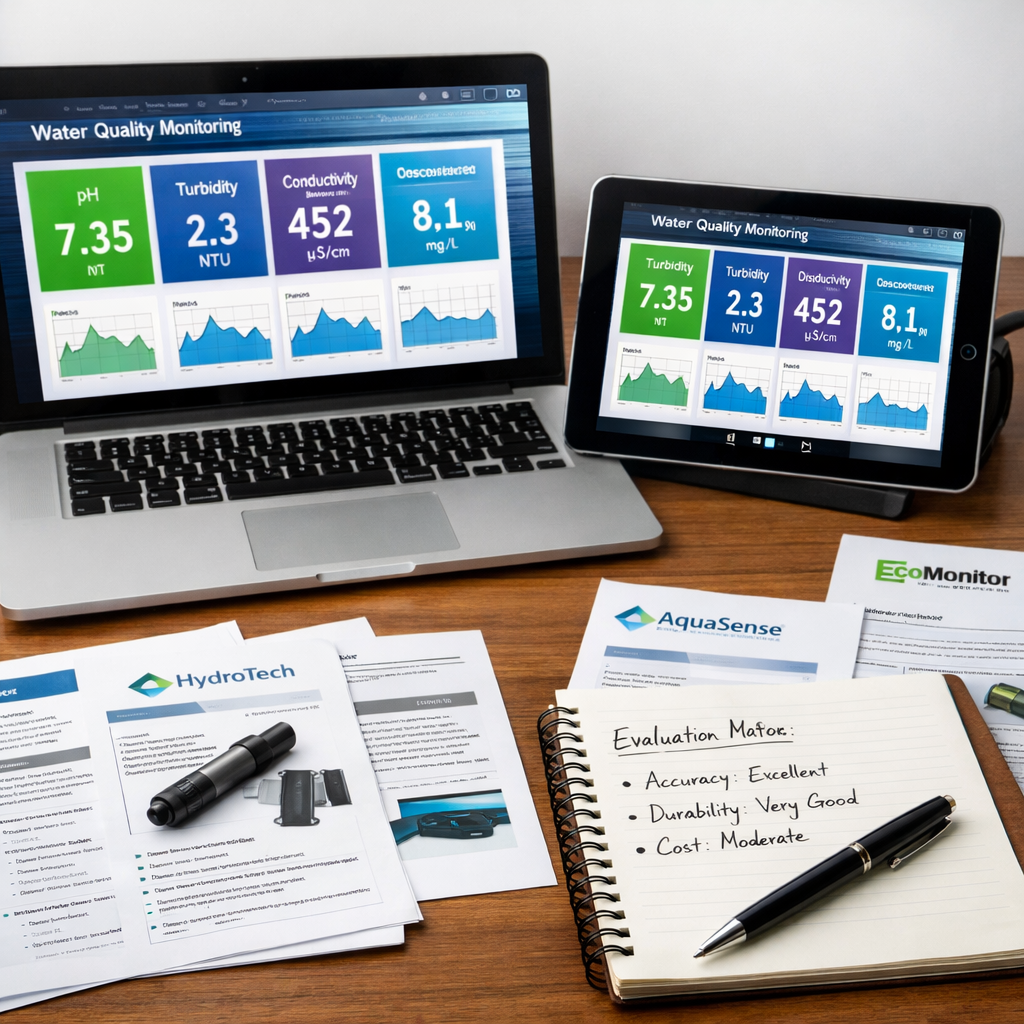
Integrated water monitoring suites combine field sensors, telemetry, and analytics into a single, end‑to‑end system that delivers reliable, real-time water quality insights. If you’re comparing trusted vendors, this Garbage Advice guide distills the top integrated platforms, how they differ, and how to evaluate software–hardware fit for municipal, industrial, and environmental programs. We also flag installation realities, safety, and when to call a pro. Bottom line: for utilities and facilities, Xylem (Vue + Aquatic Informatics), Hach (Claros), KISTERS (WISKI), In-Situ, and OTT HydroMet anchor the market with mature hardware–software ecosystems and proven regulatory workflows, while component vendors like Sensorex help you build flexible, lower-cost stacks.
Strategic Overview
Growing regulatory pressure and climate volatility have pushed organizations to unify sensing, telemetry, and quality-assured analytics across their networks. Market analyses describe steady expansion of water quality monitoring driven by compliance, digital twins, and asset resilience, with buyers prioritizing integrated suites that shorten time-to-insight and reduce manual QA/QC load (see the water quality monitoring market outlook from Grand View Research). In practice, “integrated” means:
- Proven sensor families for the parameters you need (e.g., pH, turbidity, DO, ammonia, ORP, conductivity, nutrients).
- Rugged data acquisition (loggers/RTUs), power options (mains, battery, solar), and resilient telemetry (cellular, satellite, LPWAN).
- Cloud software with automated QA/QC, alarms, role-based access, APIs, and export models that map to reporting standards.
- Service and calibration programs that protect data integrity over the lifecycle.
Which integrated water monitoring suites should be on your shortlist?
Xylem Vue: Xylem Vue unifies utility asset monitoring and analytics across sensors, pumps, meters, and networks, with strong real-time dashboards, decision support, and integrations to YSI and Sensus assets (see Xylem Vue analytics). Best for utilities seeking fleet-wide visibility and advanced optimization.
Hach Claros: Hach’s Claros ecosystem links process analyzers, lab instruments, and data management with predictive diagnostics and calibration workflows designed to simplify operations and reporting (see Hach Claros overview PDF). Best for treatment plants that want tight instrument integration and operator-centric tools.
Aquatic Informatics: A Xylem company focused on hydrologic and water quality data management, with robust time-series QA/QC, workflow automation, and regulatory reporting options for agencies and utilities (see Aquatic Informatics water quality monitoring). Best for programs where data governance, WQX-ready exports, and scalability matter.
KISTERS WISKI: An industry-standard time-series platform for hydrology and water quality that ingests from diverse loggers/RTUs, supports advanced QA/QC, modeling, and public portals (see KISTERS WISKI). Best for agencies or watershed programs orchestrating multi-source networks.
In-Situ: Field-proven sensors (Aqua TROLL and Rugged TROLL families), telemetry (VuLink), and cloud (HydroVu) for turnkey deployments from wells to surface waters (see In-Situ water monitoring). Best for rapid, rugged field installs with clear line-of-sight from probe to portal.
OTT HydroMet: A broad hardware portfolio (OTT, Sutron, HYDROLAB, and more) spanning level, flow, meteorology, and water quality, paired with loggers and device management/cloud portals (see OTT HydroMet products). Best for mixed hydromet stations with satellite/cellular telemetries and harsh-environment resiliency.
Sensorex: A deep catalog of pH/ORP, conductivity, DO, and specialty sensors and cartridges that integrate with PLC/SCADA and third-party suites (see Sensorex sensors). Best for modular builds or replacements where you already have SCADA/cloud.
If you’re scanning options beyond this list, use this Garbage Advice guide to frame your shortlist; buyer overviews like KeepSmartWater’s roundup of top monitoring software can also help.
Feature comparison: sensors, telemetry, software analytics, and integration
| Vendor/suite | Hardware breadth | Telemetry & edge | Cloud & analytics | QA/QC & alarms | Regulatory & data exchange | SCADA/API integration | Typical complexity |
|---|---|---|---|---|---|---|---|
| Xylem Vue | Multi-asset (YSI, Sensus, pumps) | Cellular/AMI/SCADA gateways | Advanced dashboards, optimization | Thresholds, diagnostics | Utility reporting workflows | APIs; utility system connectors | Medium–High |
| Hach Claros | Process analyzers + lab | Gateways to SCADA/cellular | Operations-centric insights | Calibration tracking, alerts | Tools that streamline reporting | OPC/Modbus; APIs | Medium |
| Aquatic Informatics | N/A (software-first) | Ingests from common RTUs | Strong time-series QA/QC | Automated QC flags, alerts | WQX-friendly exports and workflows | APIs; connectors to field platforms | Medium |
| KISTERS WISKI | N/A (software-first) | Broad logger compatibility | Modeling, dashboards, portals | Rule-based QA/QC | WQX exports, audit trails | APIs; web services | Medium–High |
| In-Situ | Probes + VuLink | Cellular/satellite via gateways | HydroVu cloud | Alarms, health checks | Exports for reporting | CSV/API options | Low–Medium |
| OTT HydroMet | Sensors + loggers | Cellular/satellite/GOES | Device mgmt + cloud portals | On-device QA/QC + cloud | Exports for compliance | SCADA protocols; APIs | Medium–High |
| Sensorex | Sensors (no cloud) | Via PLC/RTU | Bring your own software | Depends on host system | Depends on host system | Analog/digital, Modbus | Low (component) |
Notes:
- Software-first platforms (Aquatic Informatics, WISKI) excel at consolidating mixed vendor data and maintaining a defensible data record.
- Full-stack suites (Xylem, Hach, In-Situ, OTT) reduce integration friction and offer simpler support paths.
- Component suppliers (Sensorex) help tailor budgets and replacements but place QA/QC burden on your software stack.
How to evaluate water monitoring software–hardware integration
Prioritize data integrity and operational fit over checkbox features.
- Measurement fidelity: Ensure sensors meet your method detection limits, matrix compatibility (raw wastewater vs finished water), and drift specs. Verify calibration routines, buffers/standards, and field replaceable parts.
- QA/QC automation: Look for automated flagging, range/step checks, rolling statistics, and versioned edits; strong suites document who changed what, when, and why.
- Interoperability: Confirm drivers for your loggers/RTUs, support for Modbus, OPC UA, MQTT, and an open API for analytics/BI.
- Telemetry and power: Match coverage and latency to risk tolerance—cellular for urban, satellite for remote basins, solar for off-grid stations.
- Compliance alignment: Assess support for chain-of-custody metadata, calibration logs, audit trails, and exports aligned to EPA’s Water Quality Exchange guidance (see EPA Water Data resources).
- Cybersecurity and governance: Role-based access, SSO, encryption in transit/at rest, and immutable audit logs should be baseline.
- Lifecycle and service: Probe refurbishment programs, spare part availability, and SLAs often make more difference than small spec deltas.
- Total cost: Model sensors + installation + telemetry + cloud + maintenance over 5–10 years, not just year one.
Best-fit picks by use case (municipal, industrial, environmental)
Municipal drinking water and wastewater utilities
- Best fits: Xylem Vue for cross-asset visibility; Hach Claros for plant-centric workflows; Aquatic Informatics or WISKI for enterprise data governance.
- Why: Mature QA/QC, operator workflows, and connectors to AMI/SCADA reduce manual work and ease audits.
Industrial pretreatment and process water
- Best fits: Hach Claros for process analyzers and alarms; In-Situ for rugged remote sumps/basins; OTT HydroMet where satellite links/hazardous areas are common.
- Why: Reliability under harsh conditions and rapid alerting protect uptime and permits.
Environmental and watershed monitoring
- Best fits: KISTERS WISKI or Aquatic Informatics as the data backbone, paired with OTT HydroMet or In-Situ stations depending on parameters and remoteness.
- Why: Mixed-vendor ingestion, WQX-ready exports, and public portals support grant and regulatory needs.
Homeowner/light commercial bridges
- Best fits: Component sensors (e.g., Sensorex) feeding a simple RTU and cloud, or small In-Situ kits for wells/catchments.
- Cautions: Calibrate diligently, avoid cross-connections on potable lines, and route waste calibration fluids to proper disposal—not floor drains without approval.
Compliance and reporting: staying audit-ready
Regulatory programs increasingly expect traceable data with method, calibration, and QA/QC metadata that can flow into shared repositories. Platforms that streamline exports aligned to EPA’s Water Quality Exchange model and related water data initiatives reduce rework and audit risk (see EPA guidance on water data and exchanges). Look for:
- Versioned edits and audit trails
- Calibration/maintenance logs tied to each sensor
- Method and detection limit metadata
- Chain-of-custody and sample preservation notes where grab/lab data are integrated
- Repeatable, scheduled exports in regulator-accepted formats
Pricing snapshots and total cost of ownership
Typical budget ranges (your mileage will vary by parameter, environment, and telemetry):
- Sensors/probes per parameter: $800–$5,000 (nutrients and optical probes trend higher; basic pH/EC lower).
- Loggers/RTUs: $1,000–$3,500 depending on channels and ruggedization.
- Telemetry modules/antennas: $600–$2,500 (cellular generally lower than satellite).
- Power (solar kits, enclosures, mounting): $500–$2,500 per site.
- Cloud/software: $500–$5,000 per site/year, or enterprise licensing for multi-site.
- Services: 10–25% of hardware cost annually for calibration, verification, and spare parts.
Model 5–10 years of OPEX (calibration standards, membranes, wipers, desiccants, data plans) alongside CAPEX. Suites with better QA/QC and analytics reduce truck rolls and manual data cleaning, offsetting higher licensing.
Implementation checklist and when to call a pro
- Define objectives: Parameters, thresholds, reporting cadence, and who must see what, when.
- Validate sensors: Bench test against known standards and expected ranges before field install.
- Engineer the site: Mounting, flow conditions, sample lines, enclosures, power, and antenna placement.
- Commission telemetry: Verify signal strength, failover behavior, and buffered logging if links drop.
- Configure QA/QC: Apply range checks, drift monitors, and alert routing; document SOPs.
- Train and simulate: Run playbooks for alarms, maintenance, and export workflows.
- Monitor and optimize: Review false positives, adjust thresholds, and schedule preventative maintenance.
Call a pro when:
- Installing in confined spaces, energized panels, or hazardous (classified) locations.
- Tapping potable lines (backflow prevention and cross-connection control are critical).
- Trenching, solar wiring, or tower/overwater mounting.
- You need stamped drawings, PE review, or regulator sign-off.
Tie-ins with maintenance: Keep spare sensors and calibration kits on hand, label sample taps, and dispose of spent reagents to approved waste streams. Leak tracing, valve exercises, and screen/strainer cleaning often resolve “bad data” before you swap sensors.
FAQs
What is an integrated water monitoring suite?
A unified stack of sensors, telemetry, and software that delivers real-time water quality data with QA/QC and reporting workflows.Do I need both online sensors and lab testing?
Yes—continuous sensors catch events, while lab tests validate accuracy and cover parameters not measurable online. Use this Garbage Advice guide to plan a balanced program.How often should probes be calibrated?
Follow manufacturer guidance and site conditions; many utilities calibrate weekly to monthly, with verification checks in between.Is cellular or satellite better for telemetry?
Use cellular where coverage and latency needs fit; choose satellite for remote sites that demand reliability over speed.Can these systems connect to SCADA?
Most suites support Modbus/OPC and APIs for SCADA/DCS integration—verify protocol support during vendor evaluation.Are these solutions practical for small facilities?
Yes—start with critical parameters and a lightweight cloud plan. This Garbage Advice guide shows how to scale as needs grow.What drives total cost the most over time?
Consumables, calibration labor, and site visits often exceed initial hardware costs—optimize for maintainability.