
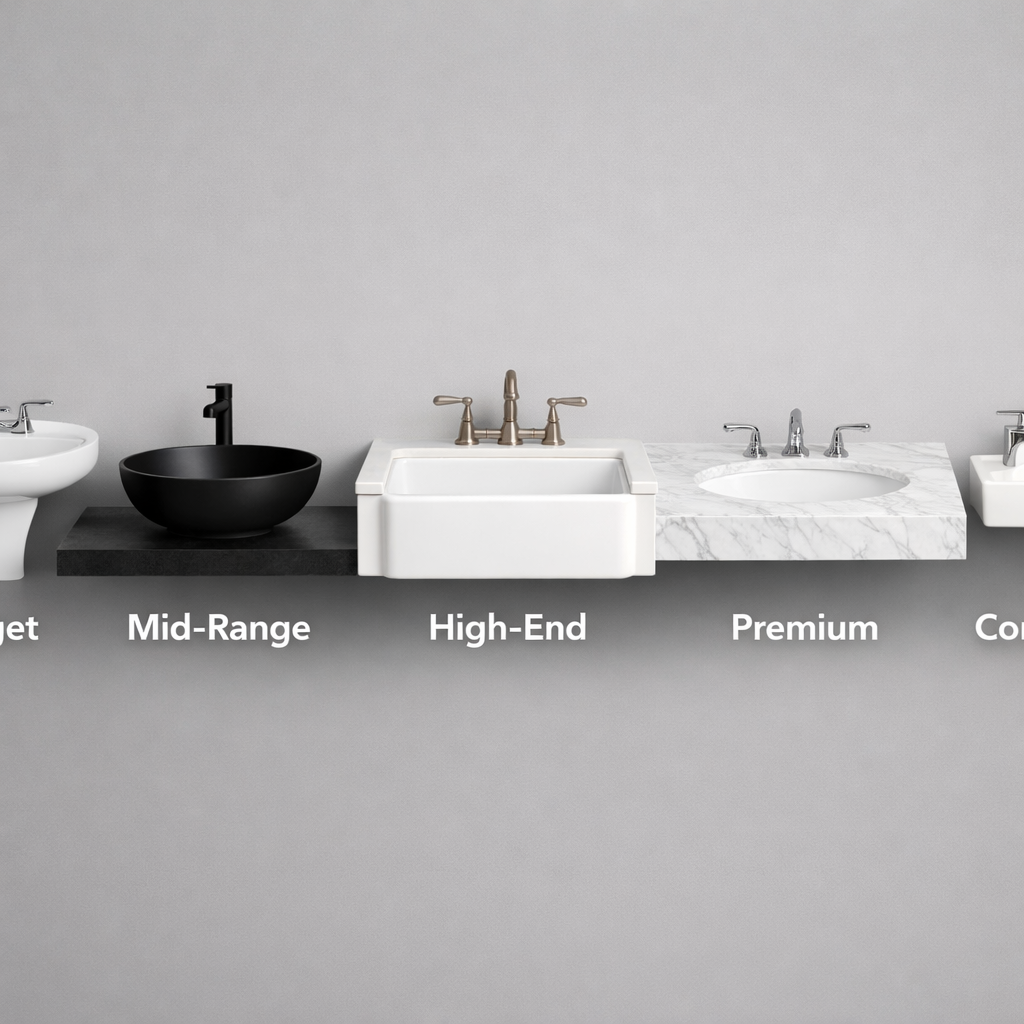
Best Bathroom Sinks for Every Style and Budget, Ranked
A great bathroom sink should fit your space, daily habits, and budget—with no surprises at install. Quick picks: for family/primary baths, choose an undermount or integrated sink for fastest wipe-downs and fewer leak points. For powder rooms, vessels make a statement—just plan faucet height to control splash. For small or ADA-forward layouts, a wall-mount or slim pedestal frees floor area. Hygiene-minded? Copper and antimicrobial alloys add a useful layer of protection (not a cleaning replacement). Below, Garbage Advice’s ranked picks balance durability, install realities, and long-term maintenance.
Garbage Advice
We’re plumbers-at-heart with a safety-first lens: simple criteria, real-world install guidance, and warranty awareness. In 2025, sustainability, matte finishes, and space-saving footprints are rising fast, so we prioritize type-to-use fit, hygiene-focused materials, faucet/drain compatibility, and realistic installed cost ranges, guided by broad-market insights like 2025 fixture trends (see 2025 fixture trends).
Native Trails CPS545 Avila
Rank 1 — Best premium undermount for primary baths. Verdict: Artisan, hand-hammered recycled copper that gets better with age and wipes clean in one pass thanks to the undermount rim.
This undermount is built from thick, hand-hammered recycled copper, delivering natural antimicrobial qualities and a living patina that deepens over time. The rimless wipe path and bowl geometry make daily cleaning fast. Expect premium pricing and embrace color evolution—patina isn’t for everyone, but it’s the charm.
- Pros: naturally antimicrobial; easy wipe-clean undermount; unique, heirloom craftsmanship.
- Cons: premium cost; evolving finish may not match rigid color palettes.
Antimicrobial copper defined: Antimicrobial copper is a copper or copper-alloy surface that continuously reduces certain microbes. Some proprietary alloys claim over 99.9% bacterial reduction within hours. While not a substitute for cleaning, it can add hygiene benefits in high-touch areas.
Grohe Essence 27 wall-mount
Rank 2 — Best small-space/ADA-friendly wall-mount. Verdict: Clean-lined fine fireclay with ADA-compliant geometry, a 3-hole deck, and an optional shroud for tidy plumbing.
Wall-mounted sinks free floor space, open sightlines, and support minimalist layouts—great for tight baths and accessibility. The Essence 27 is fine fire clay in a high-gloss finish, with a 3-hole spread; the shroud is sold separately if you want hidden pipes.
Fit checklist:
- Blocking in wall: add 2x lumber backing to support the sink load.
- Drain height: verify P-trap and rough-in alignment before tiling.
- ADA clearance: ensure knee/toe clearances and rim height targets.
- Faucet spread: match the 3-hole spacing and confirm spout reach.
Elkay CuVerro Antimicrobial Copper
Rank 3 — Best hygiene-forward undermount. Verdict: Modern copper-alloy bowl with lab-backed, continuous antimicrobial action and quieter operation via sound pads.
Elkay’s CuVerro alloy claims to kill over 99.9% of certain bacteria within two hours in controlled testing (see manufacturer testing on CuVerro copper alloys). Compared to porcelain, expect a premium price, warmer metal aesthetics, and a living patina over time. Many models add sound-deadening pads for a quieter, more solid feel.
CuVerro defined: CuVerro is a family of copper alloys engineered for continuous antimicrobial activity. In controlled testing, specific alloys reduce certain bacteria by over 99.9% within two hours. Effectiveness varies by organism and surface condition and complements, but does not replace, routine cleaning.
Native Trails NSL1916-A Tolosa
Rank 4 — Best dual-mount composite. Verdict: The concrete look without the weight, with flexible install options and a protective sealer.
Tolosa uses NativeStone, a cement composite reinforced with natural jute fiber—about 40% lighter than standard concrete yet durable and repairable. Dual-mount flexibility (undermount or drop-in) helps remodels adapt on-site. Nano sealer protection resists stains; re-seal intervals vary by use. Earthy, subdued matte hues also track with 2025 color trends.
Toto Luminist Rectangular Vessel
Rank 5 — Best statement vessel for powder rooms. Verdict: Semi-clear resin that resists impact and scratches, ships with template, hardware, and a chrome drain for a ready-to-install kit.
Vessel sinks elevate above the counter and can increase splash if faucet height/reach aren’t tuned. They’re ideal for low-traffic spaces where drama matters most. Plan your mirror line and bowl height for comfortable ergonomics; taller rims can raise the usable basin edge (see vessel sink pros and cons).
TOTO LT650G Smart Basin
Rank 6 — Best future-ready hygiene pick. Verdict: A smart basin pairs beautifully with touchless faucets for fewer touchpoints and consistent water use—check power access if features require it.
Smart-sink trend: A smart sink integrates sensors or coatings to automate hygiene tasks—like touchless activation, self-cleaning, or water-saving controls. Benefits include reduced touchpoints, consistent water use, and lower cleaning frequency. Availability and features vary widely by brand and model. Consider pairing with smart bathroom upgrades and confirm outlet or battery requirements early.
Kohler K-2351 Kelston
Rank 7 — Best timeless vitreous-china vessel. Verdict: Durable, budget-balanced vessel that suits traditional or transitional designs with a glaze that resists stains and cleans easily.
Vitreous china’s glass-like glaze shrugs off stains and abrasion, keeping maintenance simple. Vessels bring a style-forward profile but need careful faucet pairing: choose a compatible spout height and aerator to tame splash and avoid overshooting the bowl.
IKEA Godmorgon and budget composites
Rank 8 — Best low-cost, easy-to-replace combo. Verdict: Affordable resin/composite sink-top vanities that track matte/subdued color trends and are simple to swap in a rental refresh.
Resin/composite sinks are durable, widely colored, and minor scratches can often be sanded and polished out (see remodel sink materials guide). For cost-controlled remodels, standard-sized IKEA tops and vanities make future replacements painless.
Budget Snapshot:
| Item/Combo | Typical price | Best for | Notes/Compatibility |
|---|---|---|---|
| IKEA Godmorgon + top | $180–$350 | Renters, first-time owners | Standard plumbing rough-ins; easy swap cycle |
| Standalone composite vessel | $80–$180 | Style on a budget | Pair with deck- or wall-mount faucet |
| Basic single-hole faucet | $40–$90 | Any budget | Confirm reach/height for vessels |
| Pop-up drain (metal) | $20–$45 | All sinks | Metal assemblies resist sticking better than plastic |
How to choose the right sink for your space and budget
Decision flow:
- Start with use case (family, powder, small/ADA).
- Choose your sink type (undermount, drop-in, vessel, wall-mount, pedestal).
- Confirm material for hygiene, durability, and look.
- Check faucet/drain/counter compatibility.
- Estimate product + labor and factor warranty/maintenance.
Match sink type to use case
- Family/primary baths: undermount or integrated for fast wipe-downs and fewer grime-catching seams; fewer leak points at the rim.
- Powder rooms: vessel or statement bowls; control splash with faucet height, reach, and aerator.
- Small spaces/ADA: wall-mount or pedestal to free floor area and improve clearance.
- Niche options: trough sinks for two users; washplanes for ultra-minimal, low-traffic spaces—beautiful but splash-prone. For planning fundamentals, see expert guidance on sink types and installation.
Materials, hygiene, and maintenance
- Ceramic/porcelain: budget-friendly, easy to keep bright; great for rentals and family baths.
- Copper/CuVerro: continuous antimicrobial activity; expect a warm patina that develops with use.
- Resin/composites: durable, many colors; light abrasions can often be sanded.
- Concrete/NativeStone: earthy visuals; jute-blended options reduce weight and improve resilience.
Integrated sink defined: An integrated sink is cast or fabricated as one continuous piece with the countertop. With no perimeter seam, it streamlines cleanup and reduces leak risk at the rim. It usually requires professional fabrication and install, increasing cost versus separate sink-and-counter configurations.
Trends to watch: sustainable materials, subdued/matte finishes, and multi-functional fixtures that blend storage or workstation ledges are growing in 2025 (see Houzz 2025 bath fixture trends).
Tip: If you’re on septic, use non-bleach, enzyme-friendly cleaners and avoid dumping harsh chemicals—smart, septic-safe habits help protect your system.
Faucet, drain, and counter compatibility
Checklist to prevent install headaches:
- Faucet type/height: especially for vessels—match spout reach/trajectory to bowl centerline and choose a softening aerator.
- Counter support: undermounts need solid-surface support, proper cutouts, and clips or rails; avoid raw-particleboard edges near water.
- Drain assembly: choose grid vs pop-up; confirm overflow compatibility; set rough-in height carefully for wall-mount sinks.
- Reliability: metal pop-up drains resist sticking better than plastic “jam-prone” units.
Counter compatibility:
| Sink type | Best counter materials | Notes |
|---|---|---|
| Drop-in | Laminate, wood, stone, solid surface | Easiest DIY; rim hides cut imperfections |
| Undermount | Stone, quartz, solid surface | Needs solid substrate, clips/rails, silicone seal |
| Vessel | Any flat, sealed top | Drill faucet/drain where needed; watch rim height |
| Wall-mount | N/A (no counter) | Requires wall blocking; plan shelf if needed |
| Integrated | Fabricator-made tops | Highest fit/finish; pro fabrication/install |
Installation costs and DIY vs pro
Typical ranges and difficulty (product + labor):
| Sink type | Product price | Labor cost | DIY difficulty |
|---|---|---|---|
| Drop-in | $60–$300 | $100–$250 | Easiest |
| Undermount | $150–$400 | $200–$600 | Moderate–Hard |
| Vessel | $80–$400 | $100–$300 | Easy–Moderate |
| Wall-mount | $120–$500 | $250–$700 | Moderate–Hard |
| Integrated | Varies (countertop) | $300–$900+ | Pro-only |
These ballparks align with broad market guidance on typical sink and labor costs (see typical sink and labor costs).
Advice:
- DIY-friendly: drop-ins and many vessels (straightforward cutouts and seal).
- Pro-recommended: undermount and integrated (support, sealing, and stone work).
- 5-step install flow (undermount): dry-fit bowl → add clips/rails → silicone bead on rim → set and brace → connect drain/P-trap and test. Always shut water at valves and re-align the P-trap to avoid leaks.
Warranty note: Vitreous china and many composites carry limited lifetime or multi-year warranties; copper finishes commonly exclude patina changes. Confirm coverage before purchase.
Frequently asked questions
What size bathroom sink do I need?
Most single-vanity baths work with 16–20 inch bowls; for tight rooms, consider compact wall-mounts or pedestals. At Garbage Advice, we size up to a wider trough or double setup for shared baths to keep traffic moving.
Drop-in vs undermount vs vessel: which is easier to maintain?
Undermounts wipe fastest because there’s no rim lip, while drop-ins are budget-friendly but their rims can collect grime. At Garbage Advice, we reserve vessels for powder rooms and keep splash in check with careful faucet pairing.
Are copper or antimicrobial sinks worth it?
They can be for hygiene-focused homes; copper and CuVerro alloys offer continuous antimicrobial activity but still require normal cleaning. At Garbage Advice, we flag the higher cost and living patina as the trade-offs.
Will a wall-mount or pedestal sink save space?
Yes. Wall-mounted and pedestal sinks open floor area; at Garbage Advice, we use wall-mounts to maximize knee clearance and meet ADA when planned correctly.
How should I budget for the sink, faucet, and installation?
Plan the sink first, then faucet/drain, and add labor; most sinks run $60–$400 with labor from $100–$600, while integrated setups cost more. At Garbage Advice, we also budget for counters, wall blocking, and small plumbing adjustments.