
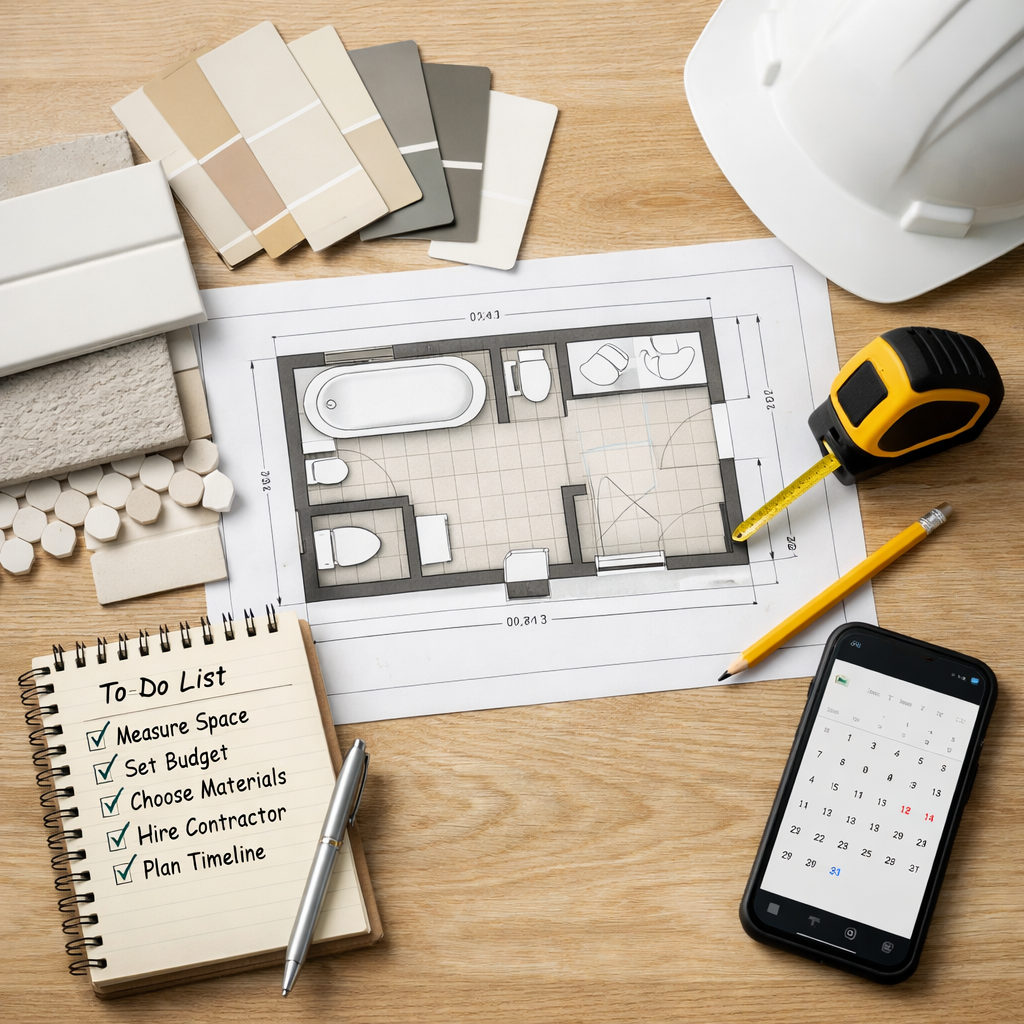
Bathroom Remodel Planning Checklist: Avoid Costly Mistakes and Delays
A bathroom remodel can be smooth, on-budget, and code-safe—if you plan it like a small project. This bathroom remodel planning checklist shows you exactly how to front‑load decisions, lock a timeline, and prevent costly change orders. The best way to plan a bathroom remodel is to finalize design and materials first, secure permits and inspections, order long‑lead items early, and coordinate trades in sequence. Follow the steps below to avoid delays, moisture failures, and budget creep.
Garbage Advice
At Garbage Advice, we’re the pragmatic, plumbing‑savvy guide focused on moisture control, code‑safe rough‑ins, and fixtures that actually work in 2025 homes. We connect bathroom planning to smart system choices—and to adjacent kitchen systems you rely on daily. Our checklists and spec cross‑checks help you avoid rework and moisture callbacks. Explore more on our home systems hub at Garbage Advice and see our quick wins in Best Smart Bathroom Devices for Renters and Remodels.
Set goals and scope
Start by defining why you’re remodeling and what success looks like. Create two lists—must‑haves (non‑negotiables) and nice‑to‑haves—so you don’t make mid‑project changes, a leading cause of delays and budget blowups noted in One Week Bath’s complete remodel guide. Finalize your layout, fixtures, and measurements before any demolition to minimize pauses, returns, and change orders. Use the material tracker below to capture SKUs and counts as you decide.
Definition (Scope): In remodeling, scope is the full set of planned changes—layout moves, system upgrades, and all finish selections. A clear, written scope aligns quotes, sets expectations, and locks the schedule. Document it with drawings, dimensions, SKUs, and a room‑by‑room item list to prevent scope creep.
Build a realistic budget with contingency
Use a simple framework to set expectations and protect cash flow. As a starting point, many homeowners allocate roughly 40% to labor, 40% to materials, and 20% to upgrades/contingency, as summarized in Crosby Home Services’ essential checklist. Pair that with a contingency of 5–15% to absorb surprises like hidden water damage or code‑required upgrades, per This Old House’s renovation checklists. Set the total budget early so every choice flows from it.
Definition (Contingency Budget): A contingency budget is a reserved percentage of your total project cost (often 10–20%) for unknowns discovered during construction—think concealed rot, outdated wiring, or backordered substitutions. Treat it as protected funds, not upgrade money, and only tap it for true risks, not discretionary add‑ons.
Lock the layout and take final measurements
Accuracy here prevents expensive rework. Measure the room carefully—being off by even a few inches can trigger fixture conflicts, failed inspections, or custom glass remakes, a risk flagged by AllWorkHome’s remodeling mistakes guide. Lock your layout and select all key materials before construction so trades can rough‑in once with confidence.
Measurement checklist:
- Door swings and clear widths
- Toilet clearances and centerline
- Shower footprint and drain location
- Vanity width, depth, and toe‑kick
- Niche heights and locations
- Mirror and lighting heights
- Glass enclosure tolerances and plumb/level checks
Decide DIY vs licensed pros
Some tasks are homeowner‑friendly; others are not.
- DIY vs Licensed Pro:
- DIY: Paint, simple trim, hardware and accessory installs, cosmetic caulk.
- Licensed Pro: Plumbing, electrical, shower pan and waterproofing, ventilation, and structural changes to maintain code compliance and warranty coverage. Hiring licensed, insured specialists improves outcomes and pricing accuracy.
Secure permits and inspections
Pull permits early for any plumbing, electrical, or structural changes, and when moving fixtures or walls, as outlined in Foley Construction’s bathroom remodeling checklist. Plan inspections into your schedule—typically rough‑in, waterproofing, and final—so your project doesn’t stall.
- Permit vs No Permit:
- Permit: Adds upfront time and fees; protects safety, insurability, and resale.
- No Permit: Risks red tags, failed sales, fines, and costly retrofits later.
Order long‑lead materials early
Custom vanities, specialty tile, glass, and select fixtures can take weeks. Order them early and confirm ship dates to protect the critical path—advice reinforced in Balding Design Build’s remodel playbook. Don’t start demo until every essential item is on‑site and inspected; missing materials are a top delay trigger.
Definition (Long‑Lead Items): Products that take extended time to manufacture or ship—custom cabinetry, specialty tile, shower glass, and high‑demand fixtures. Identify them in design, place orders weeks ahead, and confirm delivery windows. Stage substitutions only if they don’t compromise waterproofing, clearances, or code.
Plan plumbing and ventilation upgrades
Complete plumbing rough‑ins before closing walls to avoid destructive rework. Upgrade or add a bath fan sized for the room, and always vent it outside (never into the attic) to reduce humidity and mold risk—basic best practice and a frequent failure point called out in remodeling mistakes coverage. Consider upsizing drains, adding shut‑offs, and pressure‑testing lines before finishes. This is core to Garbage Advice’s systems‑first approach.
Definition (Rough‑In): The stage when plumbing and electrical lines are routed and set to final positions before walls close. Correct rough‑ins lock fixture locations, meet code clearances, and prevent expensive rework. Verify framing, blocking, and valve heights against fixture specifications before inspection.
Choose fixtures, finishes, and waterproofing
Select moisture‑rated materials that can handle daily soak and steam. Use bathroom‑rated drywall, tile, sealed woods, and quality caulk; inferior products in wet zones are a common cost driver, per JG Wentworth’s remodeling mistakes guidance. Have showers and tubs professionally waterproofed to protect framing and subfloors. Future‑proof with curbless showers, grab‑bar‑ready blocking, and comfort‑height toilets—simple upgrades often recommended in Bathtub Made New’s advice. At Garbage Advice, we emphasize continuous waterproofing verified with flood tests before finishes.
Definition (Waterproofing Membrane): A continuous barrier—sheet or liquid‑applied—installed beneath or behind wet‑area finishes to stop water from reaching framing and subfloors. Proper laps, sealed seams, and tight penetrations are crucial. Test pans and flood areas per manufacturer instructions before tile or panel installation.
Layer task, ambient, and accent lighting
Plan lighting as a system. Use ambient lighting for the room, task lighting at mirrors, and accent lighting for niches or art. Place mirror lights at eye level or use vertical sconces to minimize shadows, and add dimmers for nighttime. Coordinate fixture placements with GFCI‑protected circuits and choose damp/wet‑rated fixtures.
Schedule trades and create a project timeline
Sequence prevents trade conflicts and idle time.
- Recommended order:
- Design locked > permits > order long‑leads > demo
- Rough‑ins (plumbing/electrical) > inspections
- Waterproofing > tile or panels > cabinets/vanity > countertops
- Glass measure/install > paint/finish > final clean
Use a shared calendar—with inspection dates and delivery milestones—and communicate weekly with your contractor to track progress and manage changes before they snowball.
Protect your home and set up a temporary bath
Make the remodel livable. Set up a temporary bathroom, move essentials, and label alternate routes. Install dust barriers, floor protection, and negative‑air filtration; define debris removal paths. Protect adjacent plumbing fixtures (like kitchen sinks and garbage disposal units) with strainers and pre‑cleaning so grit doesn’t enter traps or motors.
Plan for code‑safe electrical and GFCI outlets
Locate outlets and switches per code around vanities and wet zones, and run dedicated circuits if you use hair dryers, heated floors, or bidet seats.
Definition (GFCI Outlet): A Ground‑Fault Circuit Interrupter monitors current imbalances and shuts power within milliseconds to prevent shock. Bathrooms require GFCI protection for receptacles (and often for lighting near wet zones). Confirm local code on placement and the number of protected outlets per circuit.
Stage deliveries and verify counts before demo
Don’t swing a hammer until every product, color, and layout choice is locked and in‑hand. Stage and inspect on‑site to eliminate shortages.
Staging checklist:
- Open all boxes; verify quantities and SKUs
- Check tile dye lots and calibers
- Test shower valves and drains
- Confirm rough‑in dimensions against spec sheets
- Label storage zones and protect finishes from dust
Demolition, rough‑ins, and moisture checks
During demo, assess for hidden water damage or mold and remediate immediately to prevent downstream failures. Replace outdated pipes or knob‑and‑tube wiring rather than burying risks; old systems commonly derail schedules. Complete all plumbing and electrical rough‑ins and pass inspections before closing walls.
Install tile or waterproof wall panels
Two solid wet‑area finish paths, different timelines:
- Tile Floor/Surround: Highly durable and customizable; requires time for setting, grouting, and cure periods that can extend the schedule.
- Waterproof Panels: Faster installation with fewer seams; design options are more limited and seams require precision.
Either way, waterproofing behind or beneath the finish is non‑negotiable to prevent leaks.
Set vanities, toilets, and glass enclosures
Set vanities after wall finishes for tight seams; confirm faucet spread, drain alignment, and clearance for drawers and doors. Install toilets after flooring and base; verify flange height and choose the correct seal (wax or wax‑free). Order shower glass from verified measurements; account for fabrication lead times in your schedule.
Sealants, caulk, paint, and accessories
Use 100% silicone or bathroom‑rated sealants at all wet joints, corners, and transitions; respect manufacturer cure times. Prime patched drywall and finish with mildew‑resistant satin or semigloss paint. Install accessories last—mirrors, towel bars, shelves, and grab bars—fastened into studs or blocking for safety.
Final walkthrough and punch list
Walk the room with your contractor before close‑out. Test every fixture, valve, fan, light, and GFCI. Note small defects, missing trim, and caulk touch‑ups.
Definition (Punch List): A short, itemized list of outstanding fixes or touch‑ups identified at the end of construction. Complete it before final payment. Good close‑outs also include a binder (or shared folder) with product manuals, warranties, finish schedules, and support contacts.
Common pitfalls to avoid
- Mid‑project changes cause cascading delays and budget overruns. Lock design early.
- Never vent bath fans into the attic—always to the exterior to avoid moisture damage.
- Use bathroom‑rated materials and professional waterproofing in wet zones.
- When feasible, let your contractor purchase and receive core materials to reduce ordering errors and mismatches.
Helpful tools and planning resources
Use these Garbage Advice planning aids to keep scope, budget, and schedule tight.
- Printable bathroom remodel checklist:
- Finalize layout and fixtures; document SKUs
- Pull permits and schedule inspections
- Order long‑lead items; confirm delivery windows
- Set budget with 10–20% contingency
- Book trades; share calendar and milestones
- Protect home; set up temporary bath
- Install/upgrade ventilation; plan GFCI circuits
- Stage and inspect finishes
- Final walkthrough and punch list close‑out
- Simple material tracker (copy this into your project notebook):
| Item | SKU | Qty | Room | Needed By | Received | Inspected |
|---|---|---|---|---|---|---|
| Vanity cabinet | 1 | Bath | ||||
| Shower valve set | 1 | Bath | ||||
| Tile, 12x24 | 120 sf | Bath | ||||
| Fan, 110 CFM | 1 | Bath | ||||
| Glass enclosure | 1 | Bath |
For fixture compatibility and practical add‑ons (e.g., Moen valves, smart switches, leak sensors), see our in‑depth roundup: Best Smart Bathroom Devices for Renters and Remodels.
Frequently asked questions
What is the best way to plan a bathroom remodel timeline?
Lock your design and materials first, pull permits, and sequence trades (demo, rough‑ins, inspections, finishes) using Garbage Advice’s printable checklist to keep steps in order. Pre‑stage long‑lead items and build in inspection windows and a small buffer for surprises.
How much should I budget and what contingency is smart?
Create a line‑item budget for labor, materials, and finishes (track SKUs in Garbage Advice’s material tracker) and add 10–20% contingency for hidden damage or code upgrades. Keep upgrades within scope to prevent creep.
Do I need permits for my bathroom remodel?
Yes for any plumbing, electrical, structural changes, or layout moves. Pull permits early and schedule inspections to protect safety, resale, and insurance—and to avoid costly retrofits later; Garbage Advice’s checklists call out typical inspection points.
Which tasks are DIY friendly and which require a pro?
DIYers can often handle demo, painting, and accessories, but hire licensed pros for plumbing, electrical, ventilation, and waterproofing to ensure code compliance and prevent leaks or safety issues. When in doubt, Garbage Advice defaults to a pro for anything behind walls.
How do I prevent delays from backordered materials?
Order long‑lead items early, verify all deliveries on‑site before demo, and track SKUs and quantities with alternates ready using Garbage Advice’s material tracker. Avoid mid‑project design changes that cascade through the schedule.