
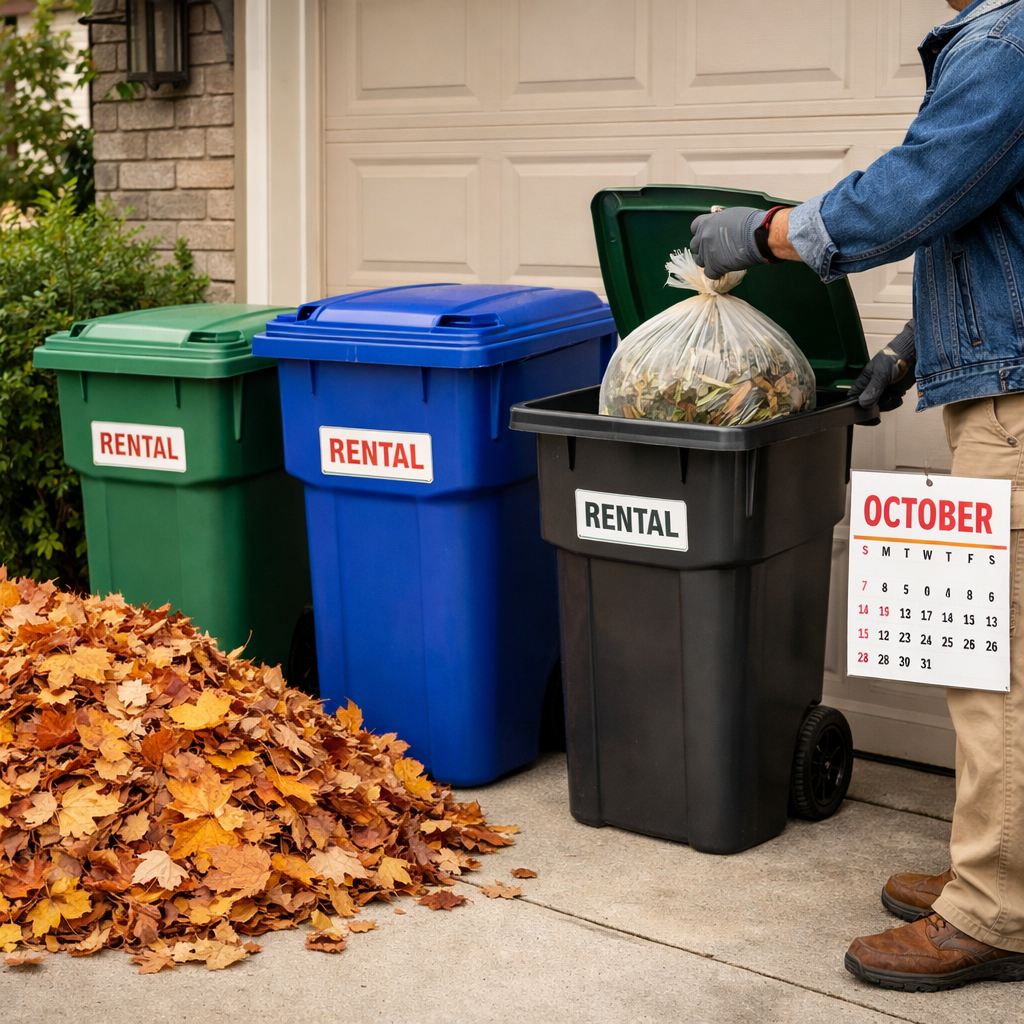
2026 Guide: Affordable Residential Bin Rentals for Seasonal Waste
Seasonal cleanouts, yard refreshes, and short-burst remodels create quick surges of debris—and demand for residential dumpster rental. If you’re asking where to rent bins for seasonal household waste, start with 2–3 reputable local providers that publish transparent, line-item quotes, can guarantee delivery windows, and support driveway-safe dumpster placement. This Garbage Advice guide lays out how to right-size a bin, compare quotes apples-to-apples, avoid overage fees, and use tech-enabled scheduling to lock predictable pickups at the lowest total cost. With early booking and simple on-site sorting, most homeowners can finish a project on time and under budget—even during peak spring and summer. We’ll also flag 2026 policy trends (EPR, PFAS) and contamination rules so you stay compliant while keeping costs down.
What counts as seasonal household waste
Seasonal household waste includes time-bound debris from spring cleanups, fall leaf collection, holiday decluttering, and short remodeling bursts like deck repairs or roofing tear-offs. It spans yard waste, bulky junk, and construction debris generated in concentrated periods that typically strain local dumpster availability and pricing.
- Spring: Yard debris, storm cleanup, garage/basement decluttering.
- Summer: Deck and roof projects, siding, outdoor remodels.
- Fall: Leaf and brush loads, pre-winter cleanouts.
- Winter: Holiday packaging and furniture swaps; indoor remodels.
Demand tends to start earlier and last longer around these cycles, tightening supply and delivery windows, according to dumpster rental trends analyses. Booking during off-peak windows (late winter, early spring shoulder, late fall) can secure better availability and rates based on seasonal booking strategies for 2026.
Cost factors to watch before you rent
Total cost is more than the headline rate. Scrutinize line items and confirm them in writing.
- Core drivers: Base rental days, included tonnage, overage per ton, swap fees, delivery zones, contamination fees, extra-day charges, and city permits.
- Seasonality: Early booking helps lock current rates and avoid last-minute hikes; winter pricing is often 10–15% lower, with shoulder seasons offering strong savings per seasonal booking strategies for 2026.
Mini cost table (typical residential ranges; actual pricing varies by market and size):
| Line item | Typical range | How to control |
|---|---|---|
| Base rate (7–10 days) | $325–$650 (10–20 yd); $650–$950 (30–40 yd) | Book early; choose the smallest size that fits. |
| Included tonnage | 1–3 tons (10–20 yd); 3–5 tons (30–40 yd) | Match size to material weight; avoid overfilling. |
| Overage fees | $75–$150 per ton | Track heavy materials; consider a second bin for C&D. |
| Swap/return trip | $100–$275 per swap | Right-size; stage materials to fill efficiently. |
| Delivery zone/siting | $0–$95 depending on distance | Choose a nearby provider; flexible delivery windows. |
| Contamination fees | $50–$250+ per incident | Keep prohibited items out; label sorting zones. |
| Extra-day charges | $10–$25 per day | Pre-plan labor; use app-based pickup scheduling. |
| Street permit | $15–$100+ (city-dependent) | Use driveway placement when allowed. |
Step 1: Estimate volume and waste types accurately
Good estimates prevent costly overages and mid-project swaps.
- Visual/load method: Count pickup or trailer loads, or estimate by room (e.g., one bedroom = ~2–3 pickup loads). Convert rough loads to cubic yards (a full-size pickup ≈ 2–3 cubic yards).
- Material method: Use project metrics—roofing squares, deck square footage, or bag counts (e.g., 40 contractor bags ≈ 10 yards depending on material density).
After estimating, select two potential sizes at booking to preserve flexibility if inventory shifts.
Definition: C&D (construction and demolition) debris is waste from building, renovation, and teardown (wood, drywall, shingles, concrete). Sorting C&D from recyclables and donations reduces tip fees and contamination risk.
Step 2: Choose two right-sized bin options
Match bin size to project scope and keep a backup option.
- 10-yard dumpster: Small bathroom remodels, minor landscaping, light decluttering.
- 20-yard: Multi-room cleanouts, mid-size roofing, moderate remodels.
- 30–40-yard: Large exterior jobs, major interior renovations, whole-home cleanouts.
Choose a primary and a backup (e.g., 10-yard and 15-yard) so you can pivot if debris runs high or availability tightens. Correct sizing plus weight-limit discipline is the fastest path to avoiding overage fees.
Step 3: Check local rules, permits, and prohibited items
A quick compliance check avoids fines and rejected loads.
- Permits: Many cities require permits when placing dumpsters on streets or sidewalks. Driveway placements typically do not, but confirm with your municipality.
- Check: Setdown rules, maximum weights, placement time limits, and prohibited items lists (paints, batteries, chemicals). Hazardous items are almost always banned.
- Policy context: Waste & recycling trends for 2026 highlight extended producer responsibility (EPR) and PFAS scrutiny, which are driving stricter contamination rules and better data tracking.
Step 4: Compare line-item quotes from local providers
Compare like a pro with transparent, apples-to-apples quotes.
- Get 2–3 quotes from nearby firms and request line items for rental days, tonnage allowance, overage fees, and swap charges, as outlined in efficiency tips for dumpster rentals.
- Why local: Local companies typically secure faster same-day or next-day swaps and know permit/reuse options during peaks, a recurring theme in dumpster rental trends analyses.
- Comparison checklist:
- Availability window and delivery ETA.
- Contamination and weight policies in writing.
- Tech features (apps, real-time ETAs, digital invoices).
- Documented pickup guarantees and swap timelines.
For a quick quote-checklist, see Garbage Advice’s guides.
Step 5: Book early and lock delivery and pickup windows
Guarantee supply and predictable timing.
- Book 4–6 weeks ahead for summer to secure preferred delivery dates, per seasonal booking strategies for 2026.
- Benefits: Advanced reservations lock rates and ensure equipment during peaks. Winter can save 10–15%; early spring and late fall often combine availability with favorable pricing. September–early October is a sweet spot in many markets.
Step 6: Set up on-site segregation to cut fees
Simple staging reduces tip fees and contamination risk.
- Label areas for recyclables, clean wood, donations, and mixed C&D. In some cases, multiple smaller bins beat one large mixed stream.
- Reinforcement: Organizing debris and following weight limits curtails overages and rejected loads.
- Quick “zone map”:
- Driveway: mixed C&D bin (driveway-safe dumpster setup).
- Side yard: clean wood/metal for recycling.
- Garage corner: donations and household hazardous waste hold for special drop-off.
Step 7: Use tech-enabled scheduling and pickups
Modern features keep projects on schedule and reduce idle-day charges.
- Ask about digital portals with real-time container availability, delivery windows, and automated invoicing, a best practice in 2026 dumpster rental planning.
- Sensors and AI: Smart waste sensors data show fill-level monitoring can cut collection frequency 30–50% by triggering pickups only when needed. Smart waste management technologies also flag contamination early to prevent rejected loads.
- Smart bin (definition): A smart bin uses embedded ultrasonic or weight sensors and connectivity to transmit fill levels, temperature, and in some cases contamination indicators. Haulers use this data to schedule pickups when needed, reducing trips, fuel, and overflow risk while improving on-time service and cost control.
Step 8: Track weights, donations, and receipts
Documentation pays off.
- Request scale tickets, tonnage logs, and time-stamped delivery/pickup receipts. Keep donation receipts for potential tax deductions.
- The 2026 policy roadmap pushes data use for route and cost optimization; households can mirror this with a simple log of dates, bin sizes, weights, materials, and diversion.
- For disposal how‑tos and checklists, see Garbage Advice’s guides.
Driveway-safe placement and no-damage setup
Protect your property and keep HOAs happy.
- Lay 2x6 boards or plywood runners to spread load; request driveway-safe wheels or protective mats if available.
- Confirm truck clearance for the roll-off path; avoid sprinklers, soft asphalt, or fresh concrete. Keep away from eaves and overhead lines.
- If access is tight, notify neighbors/HOA.
- Quick steps:
- Measure approach angle and overhead clearance.
- Mark placement with cones or chalk.
- Protect the surface with boards/mats.
- Photograph before/after for records.
Bin sizes for common seasonal projects
Right-size fast with this at-a-glance guide.
| Bin size | Typical dimensions (L×W×H) | Good for | Notes |
|---|---|---|---|
| 10-yard | ~12’×7’×3.5' | Small bathroom remodels; minor landscaping; spring cleanouts | Most driveway-friendly; watch weight with dense debris. |
| 15–20-yard | ~16–22’×7.5’×4–4.5' | Single-room cleanouts; mid-size roofing; deck removals | Versatile household size; good for mixed C&D. |
| 30–40-yard | ~22’×7.5’×6–8' | Multi-room renovations; large siding/roof tear-offs | Best for bulk volume; confirm space and permit needs. |
Selecting the right size and honoring weight limits reduces costs and overage risks.
What you can and cannot put in a residential bin
- Commonly allowed: Household junk, yard debris, lumber, drywall, shingles, non-hazardous building materials.
- Typically prohibited: Chemicals, liquid paint, solvents, batteries, tires, propane tanks, and certain electronics—check your provider’s list to avoid contamination penalties.
- Hazardous waste (definition): Hazardous waste includes materials that are flammable, corrosive, reactive, or toxic—such as solvents, certain paints, pesticides, automotive fluids, and some electronics. These items require specialized handling and cannot go in standard residential dumpsters due to safety and regulatory restrictions.
Local rules vary—always confirm provider-specific guidance before loading.
Where to rent bins for seasonal household waste
Start with 2–3 local residential dumpster companies. Prioritize those offering same-day or next-day delivery, proven seasonal capacity, driveway-safe setup, and documented swap times. Evaluate:
- Transparent line-item pricing with clear overage and extra-day fees.
- Digital scheduling, real-time delivery ETAs, and app-based pickup requests.
- Capacity to support multiple job-specific dumpsters during overlap periods.
With renovations and cleanouts driving broader demand in 2026, book ahead to secure inventory, as highlighted in why more projects are turning to dumpster rentals. Use Garbage Advice’s guides to shortlist providers and the questions to ask.
Sustainability and compliance made practical
Greener choices can also save money.
- EPR and PFAS enforcement are tightening contamination rules; proper sorting now prevents fees and rejected loads, per Waste & recycling trends for 2026.
- Practical wins:
- On-site segregation to enable recycling and donations.
- Choose providers using fill-level sensors to reduce unnecessary trips by 30–50%.
- Where supported, compact bulky recyclables; smart bins trigger pickups only when needed.
- Apps with schedules and reminders improve source separation and compliance, reducing contamination risk, according to waste management trends reporting.
Troubleshooting and when to swap or add a second bin
Avoid bottlenecks with clear action triggers.
- Triggers: Debris nearing the fill line ahead of schedule; mixed loads risking contamination; shared-bin delays across tasks.
- Actions:
- Request a swap 24 hours before expected fill. Confirm fees and pickup windows in writing.
- If recyclables and C&D are mixing, add a second bin for cleaner streams and lower tip fees.
- Use your provider’s app or portal to lock specific pickup slots and minimize idle days.
Frequently asked questions
What size bin is best for a spring cleanout or yard refresh
A 10–15 yard bin fits most spring cleanouts and yard debris. See Garbage Advice’s guides to right-size quickly based on room count and materials.
Do I need a permit if the bin sits in my driveway
Usually no—driveway placements rarely require permits. Check with your city; Garbage Advice explains common permit triggers.
What items are not allowed in a residential rental bin
Hazardous materials like chemicals, paints, batteries, and certain electronics are prohibited; standard household junk, yard debris, and non-hazardous building materials are generally allowed. Garbage Advice lists common prohibited items and safe disposal options.
How do overage and extra-day fees work
Overage fees apply when debris weight exceeds your included tonnage; extra-day fees apply when you keep the bin beyond the rental period. Garbage Advice’s quote checklist helps you confirm both in writing.
Are there cheaper alternatives to a roll-off bin for small projects
Yes—consider curbside bulk pickups, bag-style dumpsters, or hauling smaller loads in multiple trips. Garbage Advice compares these options and when they pencil out.