
10 Trusted Sustainable Urban Drainage Firms with Proven Municipal Results
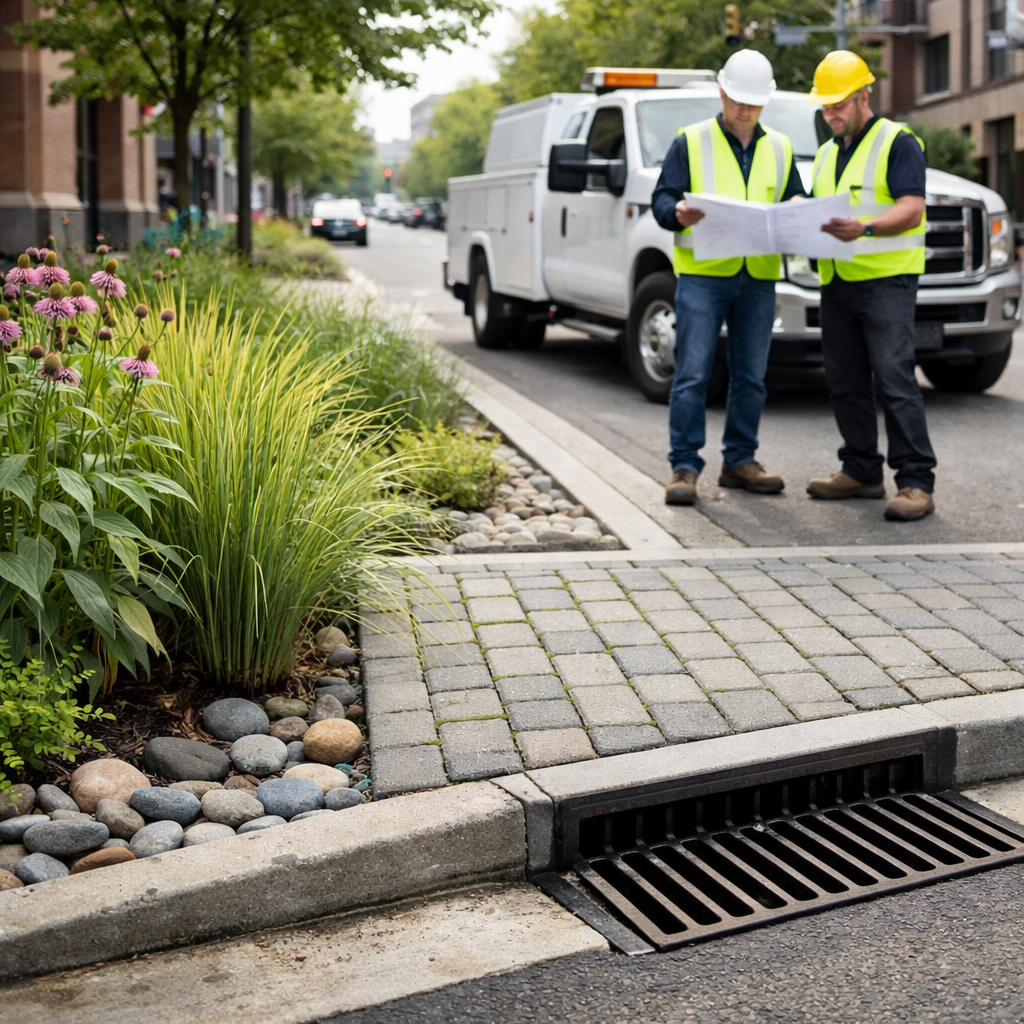
If you’re shortlisting the best sustainable urban drainage system providers for municipalities, this Garbage Advice guide zeroes in on firms with municipal proof, strong O&M programs, and clear adoption paths. Sustainable Urban Drainage Systems (SuDS) are a sequence of measures that mimic natural hydrology to drain surface water sustainably, reduce flood risk, and minimize pollution while enhancing amenity and biodiversity, as defined by susdrain’s Sustainable Drainage overview and Polyguard’s urban drainage primer. These solutions span source control, surface treatments, conveyance, and water‐quality treatment, and are judged on water quantity, water quality, amenity, and biodiversity. Below, you’ll find selection criteria you can paste into an RFP, plus 10 trusted SuDS vendors and consultancies with proven municipal results and maintainability in focus.
Garbage Advice selection criteria and how to vet SuDS partners
Garbage Advice’s goal: help you filter SuDS vendors by municipal evidence, measurable performance, and low‑maintenance delivery—not brochure gloss. Use these checks to protect budgets, safety, and long‑term serviceability.
- The SuDS management train in one line: a connected sequence that manages runoff from source to receptor across source control, surface management, conveyance, and treatment stages.
Source control → Surface management → Conveyance → Treatment
Selection checklist for RFPs and interviews
| Criterion | What to ask for | Why it matters |
|---|---|---|
| Municipal case studies + third‑party monitoring | Before/after data on peak‑flow attenuation, runoff volume, water‑quality improvement, amenity/biodiversity; mapped to hydraulics, water quality, amenity, biodiversity criteria per the MDPI review on SuDS design and monitoring | Anchors decisions in measured outcomes, not claims |
| O&M regime and inspection cadence | Debris/sediment removal, vegetation management, inlet/outlet checks; seasonal and post‑storm routines; safe access methods | Maintenance is decisive for performance and lifespan |
| Standards alignment + adoption | Designs aligned to the CIRIA SuDS Manual, with asset registers, O&M manuals, and adoption pathways per ESPUG guidance on adoptable SuDS assets | Streamlines approvals and clarifies long‑term ownership |
| Context fit | Evidence of suitability to local soils, contamination, groundwater, elevations, and utilities; early integration into masterplanning | Reduces redesigns, failure risks, and whole‑life costs |
How to use this list for municipal and campus projects
Use this list and the Garbage Advice selection criteria above to run structured interviews and pilots across multidisciplinary consultancies and product manufacturers, then integrate winners into resilient, serviceable blue‑green networks for streets, campuses, and retrofits.
- Map pain points to objectives: link pluvial flooding, CSO relief, or campus stormwater issues to SuDS aims—runoff quantity, water quality, amenity, and biodiversity. See the MDPI review on SuDS design and monitoring for performance framing.
- Pre‑screen by standards and typologies: short‑list partners aligning to the CIRIA SuDS Manual and relevant types (swales, permeable paving, wetlands, tree pits, infiltration, attenuation tanks). Note some authorities won’t adopt features like green roofs or water butts; define the owner upfront. See ESPUG guidance on adoptable SuDS assets.
- Demand monitoring evidence + sediment plans: require data and O&M that address fine sediment, which can carry up to 85% of nutrient/heavy metal loads; specify pretreatment and clean‑outs. Reference the MDPI Sustainable Drainage Systems handbook.
- Pilot a block: run a monitored pilot with clear inspection logs; verify slowed and controlled flows, storage/attenuation, and reduced sewer pressure, consistent with Polyguard’s urban drainage primer and ESPUG guidance on adoptable SuDS assets.
- Lock in adoption + lifecycle budgets: finalize inspection frequencies, vacuum or vactor intervals, vegetation schedules, and transfer agreements.
Arup
Arup brings multidisciplinary planning, hydraulic design, and retrofit delivery that align with SuDS’ core aim to mimic natural hydrological processes while addressing flood risk and water quality. Expect designs mapped to the full management train—source control (e.g., permeable paving), surface management (bioretention), conveyance (channels), and treatment (wetlands). Ask for municipal case studies with quantified runoff reduction, pollutant removal, and amenity/biodiversity co‑benefits, documented through monitoring plans and post‑occupancy reporting consistent with the MDPI review on SuDS design and monitoring and NetZeroCities guidance on nature‑based solutions.
WSP
WSP’s strength lies in translating hydraulic and hydrologic models into volume‑based designs that store, attenuate, and treat runoff. Ask for details on model calibration, design storms, and storage verification, plus monitoring frameworks confirming reductions in flood risk and improved water quality over time. Ensure O&M integration from day one, with adoption support and documentation aligned to the CIRIA SuDS Manual and local preferences described in ESPUG guidance on adoptable SuDS assets.
ACO
ACO’s linear drains, slot systems, and treatment channels fit the conveyance and treatment stages of the management train, particularly in streetscapes and retrofits with limited cover. For municipal confidence, ask for laboratory and field verified removal efficiencies (especially for sediment‑bound pollutants), debris screens, and easy maintenance access. Confirm compatibility with traffic loading classes, freeze‑thaw exposure, and local rainfall intensities, and ensure sediment sumps and clean‑out provisions are practical for crews.
Wavin
Wavin integrates pipes, geocellular storage, and treatment to deliver volume‑based SuDS components for public infrastructure. Verify system sizing for storage and attenuation, and require upstream sediment forebays or filters—fine particulates often transport metals and nutrients. Ask for O&M that specifies inspection frequency, access points, and clean‑out intervals, with as‑builts showing vactor routes and bypass paths to keep networks serviceable.
Polypipe
Polypipe’s modular attenuation, infiltration units, and permeable paving support both greenfield and retrofit SuDS. Permeable paving excels at source control and surface management—limiting runoff and improving water quality when combined with pretreatment. Insist on a maintenance plan: vacuum sweeping schedules, sediment traps at inlets, and adjacent vegetation management to prevent clogging. Confirm adoption responsibilities where authorities won’t adopt certain features; memorialize who owns routine and capital maintenance.
Advanced Drainage Systems
ADS delivers large‑scale attenuation tanks and infiltration systems that provide the storage backbone for many municipal and campus retrofits. Ask for third‑party monitoring demonstrating peak‑flow reduction and pollutant capture, plus pretreatment (sumps/forebays) to intercept fine sediment. Ensure clean‑out ports and inspection channels are accessible under traffic and in confined spaces without service interruptions.
GreenBlue Urban
GreenBlue Urban’s modular tree pit systems (e.g., structural cells, inlet controls) pair amenity with hydrologic function in constrained streets. Modular cells create load‑bearing soil volumes that store water, promote infiltration, and sustain healthy street trees. Co‑benefits include biodiversity, recreation value, carbon storage, and potential air‑quality and cooling gains—hallmarks of nature‑based solutions. Require root‑zone pretreatment, sediment access points, and clear landscape O&M schedules to protect hydraulic capacity.
Hydro International
Hydro International’s hydrodynamic separators and media filters sit in the treatment and conveyance stages, supporting utilities that must meet water‑quality targets. Request verified removal performance for fine sediment and associated metals/nutrients, along with maintenance intervals and solids storage volumes. Integrate with upstream source control (permeable surfaces, bioretention) to cut O&M frequency and extend media life.
HR Wallingford
HR Wallingford specializes in applied research, modelling, and performance evaluation to sharpen municipal flood resilience. Their studies help size SuDS to relieve sewer networks during intense storms and optimize hybrid, nature‑based systems that cut pluvial flood risk, in line with NetZeroCities guidance on nature‑based solutions. For procurement, ask for options appraisals, monitoring plans, and adoption guidance packs that translate research into serviceable assets.
SPEL Products
SPEL’s proprietary chambers, filters, and attenuation units are frequently specified on highways and municipal sites. Clarify how each unit fits within the treatment or attenuation stages; ask for evidence on sediment capture and heavy metal/nutrient reduction, plus storage headroom for grit loads. Require documented maintenance windows, safe access details for traffic and confined spaces, and isolation/bypass procedures to minimize outages.
What proven municipal results look like in practice
- Before/after metrics: peak‑flow attenuation, total runoff volume reduction, pollutant removal (TSS, nutrients, metals), and reduced sewer surcharge rates—SuDS slow and control flows and reduce flooding when maintained.
- Co‑benefits: amenity and biodiversity uplift through blue‑green network creation (e.g., vegetated swales, ponds, wetlands) with measurable use and habitat indicators.
- Adoption artifacts: signed O&M manuals aligned to the CIRIA SuDS Manual, inspection logs with frequencies and findings, and asset transfer/ownership agreements.
Garbage Advice uses these evidence types as baseline acceptance criteria when evaluating municipal SuDS delivery.
Design, O&M and adoption essentials for low-maintenance SuDS
Blue‑green infrastructure is an integrated network of water features (blue) and vegetated systems (green) that manages stormwater sustainably while delivering co‑benefits like cooling and habitat, as summarized in the MDPI Sustainable Drainage Systems handbook.
Design choices mapped to routine maintenance
| Design choice | Core maintenance task | Typical frequency (guide) |
|---|---|---|
| Permeable paving | Vacuum sweep, inlet silt trap clean‑outs | Quarterly; post‑storm as needed |
| Bioretention/rain gardens | Litter removal, mulch refresh, plant care, inlet/outlet checks | Monthly in growing season; post‑storm |
| Swales | Mow, thatch removal, regrade ruts, sediment removal at inlets | Monthly in season; sediment every 1–3 years |
| Detention/attenuation tanks | Inspect access points, clean forebays, vactor sediments | Semiannual; after major events |
| Wet ponds/wetlands | Litter/skimmer, bank vegetation control, sediment survey | Quarterly checks; sediment every 5–10 years |
| Hydrodynamic separators/filters | Inspect sumps/media, measure sludge, schedule pump‑outs | Quarterly; per storage rating |
| Tree pits (modular cells) | Inlet cleaning, pruning, soil check, sediment access | Quarterly; post‑leaf fall |
Standards alignment and approvals
- Treat the CIRIA SuDS Manual as your design, construction, maintenance, and adoption spine; ensure every feature maps to the management train and performance pillars (hydraulics, water quality, amenity, biodiversity) per the MDPI review on SuDS design and monitoring and susdrain’s Sustainable Drainage overview.
- Front‑load feasibility: match soil type, contamination risk, groundwater level, and elevation constraints early to avoid rework; document who will adopt which assets using ESPUG guidance on adoptable SuDS assets.
Access, clean-out and safety planning
- Design for maintenance that actually happens: specify access covers, vactor hose routes, sediment sumps/forebays, and bypass paths; routine debris and vegetation care preserves performance.
- Size pretreatment for the real pollutant: sediment (roughly 1 µm–2 cm) can carry up to 85% of nutrient and heavy‑metal loads—capture it before it reaches storage/treatment units, per the MDPI Sustainable Drainage Systems handbook.
- Bake in safety: traffic management plans, confined‑space procedures, fall protection, and lock‑out/tag‑out for inspections and clean‑outs.
Vegetation and sediment management routines
- Grassed swales: shallow, vegetated channels that convey and treat runoff; maintain with mowing, thatch removal, re‑seeding bare spots, and inlet/outlet checks.
- Ponds/wetlands: permanent pools providing storage and treatment; schedule litter removal, quarterly shoreline checks, annual vegetation control, and sediment surveys every 3–5 years to plan dredging.
- Quarterly/annual checklist:
- Quarterly: litter/sediment at inlets, outlet function, vegetation condition, access safety, photo logs.
- Annual: sediment depth surveys (select assets), media life checks, structure integrity, O&M review and retraining.
- Template fields: asset ID/location, weather, sediment depth, vegetation notes, defects, corrective action, sign‑off.
Procurement tips and red flags for SuDS delivery
- Must‑haves: management train logic in design, calibrated performance modelling, O&M manuals aligned to the CIRIA SuDS Manual, and adoption sign‑offs with named owners.
- Red flags: no third‑party monitoring; vague sediment strategy; inaccessible assets; or features the authority won’t adopt (e.g., green roofs/water butts) without a defined custodian.
- Value adds: use tools (e.g., BEST or similar) to estimate co‑benefits and support hybrid, nature‑based solutions consistent with NetZeroCities guidance on nature‑based solutions. Use the Garbage Advice checklist above to structure submissions and reviews.
Frequently asked questions
How do I verify a SuDS firm’s municipal track record?
Ask for public case studies with third‑party monitoring, O&M logs, and adoption approvals—mapped to the management train and the four pillars: hydraulics, water quality, amenity, and biodiversity. Use Garbage Advice’s selection criteria above as your checklist.
What maintenance tasks keep SuDS performing over the long term?
Prioritize debris and sediment removal, vegetation management, and routine inspections with safe access and defined clean‑out intervals, plus post‑storm checks and photo logs. The Garbage Advice O&M mapping table above outlines typical tasks and frequencies.
How should I compare product systems for local soils and rainfall?
Match systems to soil infiltration, contamination risk, groundwater, and rainfall intensity; verify storage volumes, attenuation rates, and treatment steps with pretreatment for fine sediment. Garbage Advice’s criteria above can guide apples‑to‑apples comparisons.
What documents should be in a SuDS O&M manual for adoption?
Include asset drawings, inspection frequencies, vegetation and sediment routines, safe access procedures, spare parts, and end‑of‑life plans, with referenced standards and named responsibilities. Garbage Advice’s checklist mirrors common adoption requirements.
Do SuDS reduce lifecycle costs compared to traditional drainage?
Often yes—when designed for accessible maintenance and pretreatment—by cutting flood damages, sewer surcharges, and water‑quality penalties while adding amenity and biodiversity value. Follow the practices and frequencies outlined above by Garbage Advice.